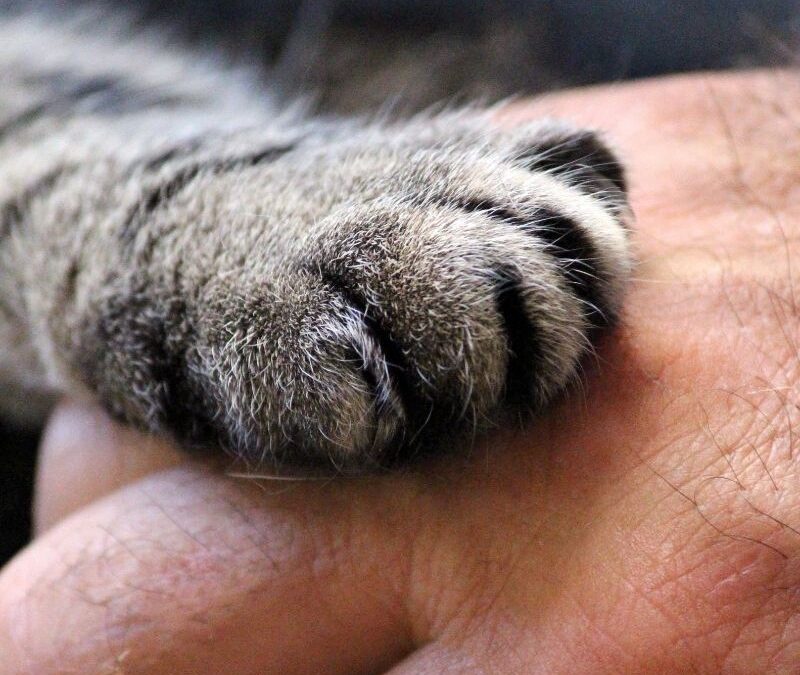
It’s with an extremely heavy heart that I share that our sweet little shop cat, Jewels, passed away today. I’m so grateful that I was able to say goodbye to her yesterday evening and that we were blessed with an amazing 16 years with her. But as one of my longest friendships (both pet and people), it’s really hard to imagine going to work every day without her. She started out as a scrappy street cat who was adopted to help keep the field mice away from the office (we’re located in the country in between two corn fields). She was fierce and feisty, earning her a nickname of “Crazy”. However, in her older age, she calmed down quite a bit and became a talkative and snuggly lovebug who loved to eat and throw up hairballs. Last year when I was going through my divorce, she would sit with me after everyone else left for the day and simply be there for me, purring away as I cried and poured my heart out to her. She was the perfect little friend and always there when I needed her. They say pets are sometimes better than people because the only time they’ll ever hurt us is when it’s time to say goodbye. I believe that’s true. The office isn’t going to be the same without her. I’m going to miss her dearly.
Rest well my sweet angel. “I’ll see you tomorrow”.
Losing a pet can be an incredibly painful experience. These companions often become cherished members of our families and become such important parts of our home (or work) lives. They provide unconditional love, affection, and joy. When they pass on, it can leave an emptiness in our hearts and a profound sense of loss. Coping with the grief of losing a pet is a deeply personal journey, but there are ways to navigate through this difficult time and find healing. I’ve actually lost 4 pets in total in the last 4 years, including our “Crazy” girl, Jewels, along with my German Shepherds, Vada, Lukas, and Logan. It definitely doesn’t get easier no matter how many times you have to experience it, but there are things we can do to help us get through the pain a little bit at a time.
Allow Yourself Time to Grieve:
The loss of a pet is a significant event and it’s important to acknowledge and validate your feelings of grief. Give yourself permission to mourn and express your emotions in whatever way feels right for you. Whether it’s crying, talking to friends and family, looking through old photos and videos of your pet, or just spending time alone, allow yourself the space to grieve without judgment. There’s also no time limit on grief and it’s a process that’s different for everyone. Have grace and patience with yourself as you walk through it and ask your loved ones to support you in those same ways as well.
Celebrate Your Pet’s Life:
Instead of focusing solely on the loss, celebrate the life and memories you shared with your pet. Create a scrapbook or photo album filled with happy moments, funny pictures, and cherished memories like their “gotcha day” or birthdays. Reflecting on the joy your pet brought into your life can help ease the pain of their absence. Try to feel comfort in the fact that even though their life was too short, they spent it with you and you showed them unconditional love until the very end. They were happy and had a good life because you were a part of it.
Reach Out for Support:
During this difficult time, don’t hesitate to lean on friends, family, or support groups who understand the unique bond between humans and their pets. Talking to others who have experienced similar loss can provide comfort and reassurance that you’re not alone in your grief.
Create a Memorial:
Honoring your pet’s memory can be a meaningful way to cope with their loss. Planting a tree or flower in their honor, creating a memorial plaque, or making a donation to an animal charity in their name are all thoughtful ways to pay tribute to your beloved companion. If you decide to cremate your pet, maybe pick out an urn that speaks to their personality and create a special place in your home to display it, along with some items like their favorite toy, collar or leash, a candle, and some photos.
Maintain Routine and Self-Care:
While grieving, it’s important to maintain a sense of normalcy in your daily life as much as possible. As impossible as it seems to go on since they were such a huge part of your day-to-day, try to stick to your regular routines, whether it’s walking your dog’s usual route or keeping up with feeding schedules for other pets. Additionally, prioritize self-care activities such as exercise, healthy eating, and getting enough rest to support your emotional well-being during this mentally draining time.
Consider Seeking Professional Help:
If you find that your grief is overwhelming and interfering with your ability to function, don’t hesitate to seek professional help. A therapist or counselor experienced in pet loss can provide support and guidance as you walk through your grief journey.
Give Yourself Time to Heal:
Healing from the loss of a pet is a process that takes time. Be patient with yourself and allow yourself the space to heal at your own pace. Remember that it’s okay to feel a range of emotions and there is no right or wrong way to grieve. It can be a rollercoaster, with good days then not so good days, and that’s a perfectly normal part of the process. You will never fully forget, but with time it can get easier to deal with the pain and start to regain your daily life.
Consider a New Pet (When You’re Ready):
While no pet can ever replace the one you lost, opening your heart to a new animal companion can bring joy and comfort into your life. When you feel ready, consider adopting a new pet from a shelter or rescue organization. The love and companionship of a new pet can help ease the pain of your loss and bring renewed purpose and happiness into your life. I can personally attest to having other pets in my home right after losing my pets helped me tremendously. When I came home crying after losing my girl Vada, I sat on my couch and just balled. My cat came and sat with me like he knew I was hurting and just wanted to comfort me. The love and bond between us and our pets is amazing and sometimes having another one to lean on during or after a difficult time can really be beneficial.
Losing a pet is a truly heartbreaking experience, but it’s also a testament to the deep connection and love we share with our animal babies. By allowing yourself to grieve, seeking support from others, and honoring your pet’s memory, you can find healing and comfort in the midst of loss. While your pet may no longer be physically with you, the love and memories you shared will live on in your heart forever and those are the things that made your pet’s life amazing.
Even though she didn’t live with me, I saw Jewels every workday for 16 years. Honestly, there’s a good chance I’ve spent more time with her than with my own furballs, especially since she’s the longest living pet I’ve ever had. I’m going to miss her so much, but am so grateful for all the time and love we shared together. If you’re also grieving the loss of a pet, hang in there, fellow furball parents and friends. I see you and it will get better, eventually. Be patient with yourself and remember that it’s okay to feel whatever it is you need to feel for as long as you need to feel it.
Planning a vacation can be both exhilarating and a little stressful if not organized and executed properly, especially with a busy lifestyle filled with work, family, and social commitments. Whether you’re dreaming of a weekend getaway with your husband in your home state, or a cross-country or international adventure with the whole family, having a well-thought-out plan is key to ensuring a stress-free and enjoyable trip. Here’s a little guide to help you plan your next vacation to help make sure nothing gets overlooked.
Step 1: Pick Your Location
Timeline: Up to 6-12 months in advance
1. Interest and Preferences: Consider what type of vacation you want. Are you looking for relaxation on a beach, an adventure in the mountains, cultural immersion in a foreign city, or a mix of everything?
2. Research: Look into different destinations that match your interests. Read travel blogs, watch vlogs, visit travel guru social media pages, and check out travel guides for inspiration.
3. Budget: Determine how much you’re willing/able to spend. Some destinations may be more budget-friendly than others and maybe you’ll want to put off longer getaways or trips abroad until it makes sense with your current budget.
4. Documentation: Make sure you have passports and other travel documents in place or apply for them during this time period if planning an international location, that way your plans don’t get held up waiting for things to arrive.
Step 2: Choose Your Dates
Timeline: Up to 6-9 months in advance
1. Seasonality: Consider the best time to visit your chosen destination. Look into weather patterns, peak tourist seasons, and any local events or festivals in your destination that might enhance or hinder your plans during your specific desired timeframe.
2. Work and School Schedules: Check your work calendar and any school schedules if you have kids. I like to plan vacations around holidays and long weekends when possible to maximize time off.
3. Flexibility: If possible, be flexible with your dates to take advantage of better rates on flights and accommodations during off-peak days or months.
Step 3: Schedule Time Off
Timeline: Up to 3-6 months in advance
1. Request Time Off: Submit your vacation request to your employer well in advance. Ensure you have enough vacation days saved up for the duration of your trip. It’s also helpful to plan for an extra day off before and after to help with last minute packing and then unwinding before heading back to the office.
2. Plan Around Commitments: Make sure you’re not missing any important work deadlines, family events, or social commitments.
Step 4: Book Flights and Accommodations
Timeline: Up to 3-6 months in advance
1. Flights: Use flight comparison websites to find the best deals. Set price alerts to get notified of any price drops.
2. Accommodations: Research hotels, vacation rentals, and alternative accommodations like hostels or bed-and-breakfasts. Read reviews and check locations to ensure they fit your needs, are clean, and are convenient with your plans.
Step 5: Plan the Itinerary
Timeline: Up to 2-3 months in advance
1. Must-See Sights: Make a list of attractions and activities you don’t want to miss. Prioritize them based on your interests and their popularity. Be sure to take into consideration all ages of the people in your group to make sure everyone can participate or plan for child care accordingly if you’re planning adult activities.
2. Day Trips: Research nearby places that could make for interesting day trips.
3. Meals: Look into local cuisine and popular restaurants. Make reservations if needed, especially for high-demand spots and during peak hours and seasons.
Step 6: Prepare and Start to Pack
Timeline: Up to 1-2 months in advance
1. Packing Checklist: Create a packing list tailored to your destination and activities. Consider the climate, length of stay, and any special events you’ll attend. Starting this list in advance ensures you’ll have plenty of time to pick up any items you might need for the trip so you’re not having to do that last minute the day before (been there, done that!).
– Clothing: Pack versatile pieces that can be mixed and matched. Consider layers for varying weather conditions.
– Toiletries and Essentials: Don’t forget to get travel sizes of everything according to current guidelines if you’re traveling by air and pay even more particular attention to what you’re allowed to take on international flights.
– Gadgets: Don’t forget chargers, adapters, and any electronics you’ll need.
2. Luggage: Choose appropriate luggage based on your mode of transportation (car, plane, etc.) and the length of your trip.
Step 7: Take Care of Home and Pets (and children if they’re not accompanying you)
Timeline: Up to 1-2 months in advance
1. Pet Sitters: Arrange for someone to take care of your furballs and/or kids if they’re not joining you. This could be a friend, family member, or professional pet-sitting service.
2. Home Security: Ensure your home is secure while you’re away. Consider asking a neighbor to keep an eye on it, temporarily holding mail delivery, and setting up timers for lights. If you have home security cameras, make sure you’ll have access set up from your mobile devices or laptop.
Step 8: Final Preparations
Timeline: Up to 1 week in advance
1. Confirm Reservations: Double-check all your reservations, including flights, accommodations, and any activities or tours.
2. Emergency Contacts: Share your itinerary with a trusted friend or family member. Provide them with copies of your travel documents and emergency contacts.
3. Packing: Do a final pack and make sure you have all essentials. Check the weather forecast for your destination and adjust your packing list if needed.
Bonus Tips
– Travel Insurance: Consider purchasing travel insurance to cover unexpected events like cancellations, medical emergencies, or lost luggage and jewelry.
– Local Customs: Familiarize yourself with the local customs, language basics, and cultural norms of your destination.
– Health Precautions: Check if any vaccinations or health precautions are needed for your destination. Bring any necessary medications and a basic first-aid kit.
I hope this helps you to be well-prepared to plan out your next adventure, ensuring a smooth and enjoyable vacation.
As always, with love and well wishes for safe and happy travels,
On the journey toward achieving a perfect smile for ourselves or our children, many of us have the option of choosing between traditional metal braces and the more discreet Invisalign treatment. When I was a teenager and needed braces to straighten my crowded teeth and overbite from sucking my thumb until I was practically 10, Invisalign wasn’t yet available. However, now that my teeth are once again overcrowded due to not wearing my retainers as prescribed (PS – don’t do that!) and because of an uneven bite causing some immense jaw pain I’ve been dealing with for years, my orthodontist actually recommended Invisalign over standard braces. Based on his evaluation of my teeth, gums, and jaw, along with the movement needed to help ease my jaw pain, that’s what he felt best for me at this time.
So as a woman who’s had the fortunate privilege (which I mean both sarcastically and gratefully) of experiencing both metal braces and Invisalign, I thought it would be fun and helpful to discuss the differences and similarities of both. I understand the importance of considering all the various factors when making this choice and it’s always best to go with the recommendations of your dental providers based on your specific needs or budget. But I’m here to simply share the aesthetic, functionality, and overall experiences from my own unique perspective as having personally experienced both of these orthodontic options.
Traditional Metal Braces: A Blast from the Past
Remember the days of adolescent angst coupled with a mouth full of metal? Were you dreading picture day or your first kiss, wondering if you’d get stuck together if you kissed a boy who also had braces? For many of us, in addition to frizzy hair and dorky outfits, traditional braces were a rite of passage during our teenage years, both myself and my daughter included. While they may have felt cumbersome, visually prominent, and downright embarrassing at times, they were the go-to solution for correcting dental misalignments, especially for us millennials in the 90s and early 2000s.
Metal braces, also known as conventional or traditional braces, are orthodontic appliances consisting of metal brackets bonded to each tooth and connected by a string of heavy duty gauge metal wires. These braces exert pressure on the teeth, gradually shifting them into the desired positions over time. While traditional metal braces have been a tried and true staple in orthodontic treatment for decades, their conspicuous appearance and fixed nature have prompted the development of more discreet and removable alternatives such as Invisalign. We’ll talk about that more in a moment, but first, here are the key aspects of metal braces.
1. Visibility:
One of the primary concerns with metal braces is their visibility. As a teenager, the thought of sporting a mouthful of metal wires and brackets, along with the good old rubber bands from top to bottom and headgear (IYKYK), might have been a source of self-consciousness. Honestly, it still feels like it’d be that way now as an adult. The conspicuous nature of metal braces often made individuals hesitant to smile openly or feel confident in social settings with so many appliances strapped in and on their face.
On the flip side, where the wires fit over the brackets on each tooth, there’s a small rubber band placed to hold the wire in place on the bracket. These bands come in many different colors and most orthodontists allow you to choose up to a few colors each month after adjustments. While adults may want to choose more nude or tooth colored bands, a lot of kids love getting colored bands. I remember that I’d try to match the bands to whatever holiday or special event was coming up. For example, near Valentine’s Day I’d have pink and red bands or green for St. Patrick’s Day. While adults may not care about having a mouth full of vibrant colors, this might be a fun way to get the kiddos excited about their braces and engaged in the process.
2. Oral Hygiene and Maintenance:
Maintaining good oral hygiene with braces did require a little extra effort. Since you have wires in the way, floss has to be threaded underneath those wires and in between each bracket before being able to floss in between each tooth as usual. This definitely took more time than just your normal flossing routine. Although I’ve always liked to have clean teeth and a nice smile, as a teenager, brushing and flossing just weren’t on my list of most exciting things to do each day. So the thought of taking even more time to do so just wasn’t a motivator. Nowadays I have a water flosser which I use religiously, but back in the day when everything was a manual process, I will admit that flossing may or may not have been completed each day. I’m sure this is the case with a lot of children and teens, so a little monitoring and encouragement from parents is helpful. Additionally, regular dental cleanings are essential, along with the periodic adjustments made by the orthodontist. Unfortunately if you’ve ever had braces, you know that typically the wire gets tightened and sometimes changed to a stronger wire, so those appointments often left you with lingering pain or pressure for a few days. Luckily those appointments were typically only every month or so, at least in my case.
3. Dietary Restrictions:
Ah, the infamous list of foods to avoid with metal braces – sticky candies, anything super hard, popcorn and corn on the cob, gum, apples, etc. These dietary restrictions are imposed to prevent damage to the braces and ensure effective and timely treatment progress. Orthodontists will only reattach brackets so many times before they start charging extra. However, what kid or teenager doesn’t want to eat candy or chew gum? And who cares about popping off a bracket or two (besides the parent who has to pay for it)? Now it’s more of the apples and corn on the cob that would be a bummer for me, but I have to admit the lack of gum and candy are sad and an inconvenience even as an adult.
Invisalign: Modern Orthodontics
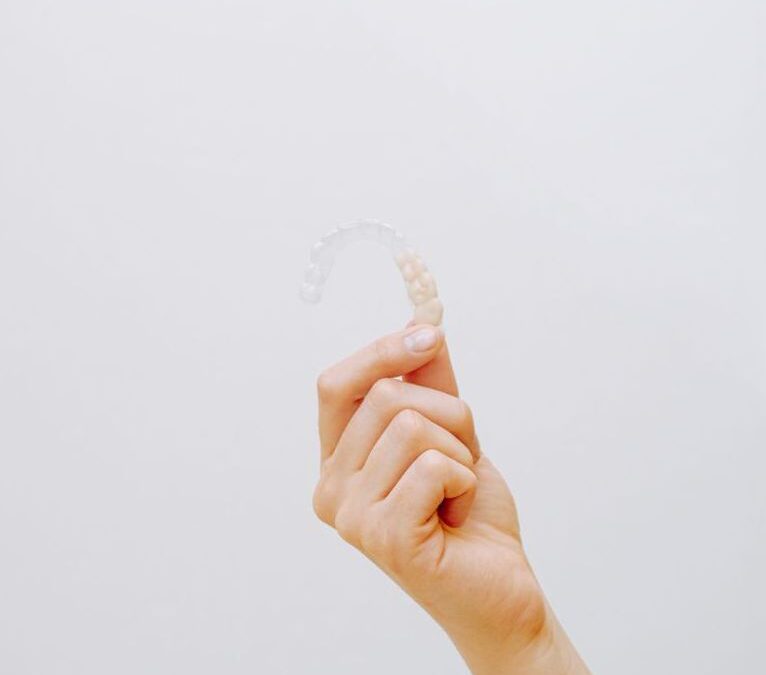
Fast forward to the present, where advancements in orthodontic technology have introduced a more discreet alternative to traditional braces – Invisalign. Invisalign is a modern orthodontic treatment that utilizes clear, custom-made aligners to gradually straighten teeth. These aligners are made from a smooth, BPA-free plastic material, making them less visible when worn. Unlike traditional metal braces, Invisalign aligners are removable, allowing for greater flexibility in eating, oral hygiene, and overall lifestyle. The treatment involves a series of customized aligners, each designed to progressively move the teeth into their desired positions, offering a discreet alternative to traditional braces. This innovative approach to teeth straightening offers several advantages over its metal counterpart, but there are definitely also some things I wasn’t expecting. Let me elaborate…
1. Aesthetic Appeal:
One of the most significant benefits of Invisalign is its more invisible nature (hence its name). The clear aligners are far less noticeable compared to metal braces. For women in their 30s juggling professional, social, and parental commitments, the more discreet appearance of Invisalign aligners can be a game-changer in maintaining confidence and comfort throughout the treatment process.
Having said that, I’m now a couple months into Invisalign and I’m still talking with a slight lisp. It certainly has gotten better over the last several weeks since day one, but I feel like my speech might continue to be slightly altered for the duration of my treatment. I guess we’ll see. However, I also noticed that I’m a little more lispy again right after switching to a new aligner tray (which I personally have to do weekly). So if slightly impaired speech is a concern to you, perhaps if you work primarily on the phone or giving presentations, I’d definitely say give that a consideration before choosing Invisalign.
Additionally, I didn’t realize that I’d still have brackets on some of my teeth. In fact, when the orthodontist was initially placing them on, I thought “hold on, they do know I’m getting Invisalign, right?!”. Turns out that even though the trays are removable, you do still need an anchor point on some of the teeth in order to help aid movement and the aligners staying in place. I don’t know the criteria for choosing which teeth will have the brackets, but I do know from talking with others who have Invisalign that bracket placement is different for everyone. On the plus side though, the brackets are closely matched to your natural tooth color, so whether you have the aligners in or out, the brackets are still drastically less noticeable than the traditional metal brackets.
2. Removability:
Unlike metal braces, which are affixed to the teeth throughout the treatment duration, Invisalign aligners are removable. This feature allows for greater flexibility for eating and oral hygiene. Whether enjoying a meal or brushing and flossing, simply remove the aligners, perform the necessary tasks, and reinsert them.
On the flip side, because these braces are removable, it does leave the door open for having them out too long. In my case, I need to wear them for 22 hours each day (and I do believe that’s standard for all Invisalign wearers). It’s up to me to make sure I’m following that or it will lead to a delay in my treatment. So if you’re not very disciplined, especially when they’re uncomfortable or if you take long periods of time to eat every meal, Invisalign might not be the best solution for you. And I can see this being most problematic for children who might be inclined to take them out and not be diligent about getting them back in right away.
One more thing to note is that although I’m extra conscientious of not throwing my aligners away after I’m done eating, since that’s exactly what happened to one of my retainers when I was younger, it has already happened. I personally didn’t throw them away, but left them on the table wrapped in a napkin and they got picked up with other trash on the table. Totally my fault and I shouldn’t have been so careless, especially since I was provided with a case to store the aligners in during meal time, specifically for this purpose. However, now I will be even more diligent about not throwing them away or just leaving them lying around. But this is just one more thing to keep in mind since they are removable and very easy to miss.
3. Comfort:
Metal braces are notorious for causing discomfort and irritation due to the presence of wires and brackets. I remember having sores on the sides of my cheeks from sleeping on one side too long and from when I played the flute in my high school band. My daughter who played the trumpet had a permanent sore spot inside her mouth for the entirety of her metal braces stint. So on a day-to-day overall basis, I’d say Invisalign is more comfortable because each aligner is custom-made to fit snugly over the teeth, minimizing discomfort and irritation. I will say that for about 2-4 days each week after changing the aligners though, my mouth hurts like a mother. My orthodontist said the “mild pressure” shouldn’t hurt and typically only lasts 2 days for most people. However, the few people I’ve talked to with aligners agree with me that it’s generally more than a couple days and definitely more than “mild” discomfort.
So in weighing out which are more comfortable, it really depends on which day you ask me. Overall the aligners are more comfortable and have less consistent opportunity for irritation, but the pain or “pressure” is more frequent than with metal braces.
4. Not Great for Snackers
If you like to snack, Invisalign might also not be for you. Every time you eat, you need to brush your teeth. That’s a huge commitment to snack foods! And keep in mind you only have a total of 2 hours every day without the aligners for eating and cleaning. Alternately, if you ever wanted to cut back on snacking and don’t feel like brushing your teeth 7 times per day, maybe this is for you! If you’re a drinker of anything other than water, whether juice, coffee, tea, or wine, this might be inconvenient for you as well since you also have to brush after each drink that isn’t water. The main objective is to not have anything sitting in the aligners and against your teeth for any period of time as to not cause cavities.
Similarities: The Common Ground
While metal braces and Invisalign differ in their appearance and mechanics, they share some commonalities in their approach to orthodontic treatment:
1. Treatment Duration:
Both metal braces and Invisalign aim to gradually shift the teeth into their desired positions over time. The duration of treatment varies depending on the complexity of the case and the adherence to treatment guidelines. While some may opt for shorter treatment times with accelerated orthodontic techniques, the average treatment duration typically spans several months to a few years with both options. Again, it really just depends on your situation.
2. Orthodontic Expertise:
Regardless of the treatment option you select, the expertise of the orthodontist plays a crucial role in achieving optimal results. From the initial assessment and treatment planning to the periodic adjustments and monitoring progress, the orthodontist guides patients through every step of the journey toward a beautiful smile.
3. Commitment to Compliance:
Successful orthodontic treatment requires a commitment to compliance from the patient. Whether diligently wearing Invisalign aligners for the prescribed duration each day or adhering to dietary restrictions with metal braces, following the orthodontist’s instructions is essential for achieving desired outcomes.
Conclusion: Choosing the Right Path to a Radiant Smile
As a woman who has traversed both traditional metal braces and now Invisalign, I understand the significance of choosing the right orthodontic treatment. While metal braces served their purpose during my teenage years, the discretness and convenience of Invisalign aligners have made my adult orthodontic journey infinitely more manageable (minus the lisp and pressure when changing to new aligners weekly).
Whether you’re a career-driven woman in her 20s, 30s, or 40s, or a teenager navigating the complexities of adolescence, the decision between metal braces and Invisalign is a personal one. Consider factors such as aesthetics, comfort, and lifestyle preferences when embarking on your orthodontic journey, and remember, the path to a radiant smile begins with a choice that aligns with your individual needs and aspirations, along with the recommendations of the dental professionals.
From one crooked-toothed, imperfectly smiled person to another, lots of love and discipline,
Are you ready to embrace your thirties like the boss babes you are? Whether you’re already knocking on 35’s door or just dipping your toes into this exciting decade, there are certain things that can add a sprinkle of fun, wisdom, and, let’s be real, a dash of fabulousness to your journey. So, grab your favorite beverage, cozy up, and let’s dive into the top 35 things every woman should know, do, or have before the big 3-5.
1. Own Your Signature Scent: Find that one perfume that makes you feel unstoppable. It’s like your secret weapon in a bottle!
2. Invest in Quality Skincare: Because taking care of your skin is the ultimate act of self-love. Hello, glowy goddess!
3. Learn to Say No: Your time and energy are precious, darling. Say yes to what lights you up and politely decline what doesn’t.
4. Get Your Passport: Whether it’s a romantic getaway with your special man, a bachelorette party with your favorite girls, or a family cruise having your passport is handy so you never have to wait to take that next trip.
5. Master a Killer Cocktail: Impress your friends (or yourself) with your mixology skills. Cheers to being fabulous!
6. Start on Your Passion Project: Whether it’s selling handmade crafts, freelance writing, or a side hustle, explore your passions outside of your 9 to 5.
7. Find Your Perfect Lipstick Shade: Every woman needs that one lipstick shade that makes her feel like she can conquer the world. Find yours and wear it proudly.
8. Learn a New Language: Because being bilingual is not only practical, but oh-so-sexy and leaves the door open to meeting cultured new people. Plus, you’ll be all ready when you use your passport!
9. Invest in Good Bras and Underwear: Your girls deserve the best support and so do you!
10. Have a Signature Dish: Impress your guests (or just yourself) with your culinary prowess. Bon appétit!
11. Declutter Your Space: Out with the old, in with the fabulous. Create a space that sparks joy and reflects your amazingness.
12. Dance Like Nobody’s Watching: Let go of inhibitions and dance like nobody’s watching. Bonus points for impromptu kitchen dance parties! Take lessons with a partner or even by yourself.
13. Embrace Your Inner Child: Jump in puddles, build a blanket fort, or indulge in some coloring therapy. Age is just a number, darling.
14. Invest in Self-Defense Classes: Because being strong and empowered is always in style.
15. Create a Vision Board: Manifest your dreams and watch them come to life. You’re the artist of your own destiny. Set your goals and make them happen.
16. Learn to DIY: From fixing a leaky faucet to assembling IKEA furniture, channel your inner handywoman.
17. Find Your Go-To Workout: Whether it’s yoga, kickboxing, tennis, or salsa dancing, find a workout or sport that makes you feel alive and gets your body moving.
18. Master the Art of Talking: Networking doesn’t have to be scary. Embrace your charm and dazzle everyone you meet.
19. Invest in Timeless Fashion Pieces: Build a wardrobe that makes you feel confident and fabulous, no matter the occasion. Every woman needs some basic staples like a little black dress, a formal suit for court, a funeral outfit, and a good pair of shoes or boots for every occasion.
20. Start a Savings Account: Because financial independence is the ultimate boss move. If you can even work on getting out of debt, even better!
21. Read More: Feed your mind with books that inspire, challenge, and transport you to new worlds.
22. Volunteer for a Cause You’re Passionate About: Make a difference in your community and leave a positive impact on the world.
23. Practice Gratitude Daily: Count your blessings and watch your life transform into a beautiful masterpiece.
24. Learn to Fix Your Own Car: Who says girls can’t be gearheads? Especially when we have YouTube, right?! Empower yourself with some basic car maintenance skills, even if it’s just changing your tires, oil, or spark plugs.
25. Invest in Quality Bedding: Because a good night’s sleep is non-negotiable. Silk sheets? Egyptian cotton? Down comforter? Try them all!
26. Learn to Let Go of Toxic Relationships: Surround yourself with people who lift you higher and let go of those who drag you down. Whether it’s a friend, boyfriend, or family member, say “bye Felicia” to anyone who no longer serves you or respects your boundaries.
27. Travel Somewhere Solo: Push your boundaries and discover the incredible freedom of solo travel. Discover the world on your terms. Bonus points for getting lost and finding yourself in the process.
28. Start a Journal: Document your thoughts, dreams, and adventures. Your story is worth telling.
29. Splurge on a Luxurious Spa Day: Pamper yourself like the queen you are. You deserve it! Or better yet, include a little extra allowance in your budget each month to do your nails, touch up your highlights, get a massage, or go on a small shopping splurge.
30. Find Your Signature Hairstyle: Whether it’s sleek and sophisticated or wild and free, find a hairstyle or two that screams “YOU.” Don’t forget to think about day time and night time looks.
31. Invest in a Good Mattress: Because beauty sleep is not a myth, darling. Get to know your sleep style and whether you prefer a firm or soft mattress. Even think about investing in an adjustable bed for optimal comfort.
32. Learn to Meditate: Quiet the noise, find inner peace, and reconnect with your true essence. This could be simply taking a few minutes to relax in silence, pray and hear from God, or listen to serene and calming music.
33. Start a Retirement Fund: It’s never too early to plan for your fabulous future.
34. Take Risks: Embrace uncertainty and step outside of your comfort zone. That’s where the magic happens. Of course, calculated risks are probably best, but sometimes doing it scared can lead you to some amazing new places. Remember, no risk, no reward.
35. Love Yourself Unapologetically: You are imperfectly perfect, beautifully flawed, and absolutely extraordinary. Own it, embrace it, and never apologize for being you. Love yourself the way you hope others will love you and then they will!
Cheers to 35 (or more) year and the fabulous journey that lies ahead, darling! Here’s to turning 35 and beyond with grace, style, and a whole lot of sass. You’ve got this!
Happy birthday and XOXO,
-LS
PS – Don’t forget to celebrate every milestone, big or small, because each one is a glittering gem in the crown of your amazing journey. And if you don’t have some or all of the things on this list done before 35, don’t sweat it! There’s still time, but also, don’t feel obligated or compare yourself to anyone else. This is merely a guide of suggestions. But the most important thing is to get out there, live your life to the fullest, and do the things that make you happy, no matter your age!
I hope this finds you well. Today, I want to talk about something deeply personal and, I believe, relatable for many of us (unfortunately). As someone who’s recently become an empty nester and then gone through a divorce, I’ve found myself living alone for the first time (ever!). It’s been a strange and often challenging time, but it’s also a journey filled with self-discovery and some unexpected positives. It took me a while to realize them and get on board with my new lifestyle, but I’m learning to welcome the changes, embrace the challenges as they come, and adapt to my new life on my own. So how do you navigate solitude after divorce and becoming an empty nester?
Adjust to Solitude
When my daughter graduated in 2019 and moved out, the house felt eerily quiet and empty. I had anticipated this moment throughout her senior year of high school, knowing that she would soon turn 18 and leave to start her own life. While I understood that this was a natural progression, as a teen mom who had always had her by my side, the reality was still hard to face. Even though my husband was still at home, I felt an immense sadness when she left, struggling to find a new sense of purpose. I knew she didn’t need me as she did when she was younger, and while I still worry about her safety, I’ve had to trust that she’s a smart and capable young woman. The transition from having her around all the time, especially as my only child, was incredibly challenging.
After my divorce, the silence that began when my daughter left became even more profound. Despite our rocky relationship, it was comforting to know someone else was there in the house with me. Although we had been sleeping in separate rooms for years, just having another person in the home provided a sense of security. We didn’t always communicate much, but knowing he was there for emergencies gave me peace of mind. The days leading up to his departure were daunting, and I was terrified to be on my own. The traditional view that men are the protectors and decision-makers in the home left me feeling vulnerable without him. Adjusting to this new lifestyle has been a slow process, but I’m gradually learning to trust myself, feel safe alone, and find ways to combat loneliness.
Now that I’m completely alone for the first time (minus my beloved furballs), I wanted to share some of my experiences and lessons learned. I hope these insights can help those of you facing similar situations. While I pray none of you have to go through a divorce, if you do, or if you’re transitioning to an empty nest, maybe these tips can ease your journey.
The Challenges
Living alone comes with its set of hurdles. These challenges have tested my resilience and forced me to grow in ways I hadn’t anticipated. Despite the difficulties, I’ve learned valuable skills and become more self-reliant in the process. Here are a few examples that I’ve encountered so far:
Household Maintenance and Repairs:
Lawn Care: Mowing the lawn and weed eating were tasks my ex-husband typically handled. I had never even sat on the mower before he left, and unfortunately, he wouldn’t show me how to use it. So, the first time I used the lawnmower by myself, I had to learn how to change a flat tire, pump up two more by hand, turn it on, and then I scraped (and probably bent) the blades backing it out of the shed. Although I was nervous and there was a steep learning curve, I was determined because it had to be done, and there was nobody else to do it except me. It was a hot Texas summer day, and it took me several hours longer than it used to take him, but I did it. The sense of accomplishment I felt afterward was worth the sweat and effort.
Plumbing Issues: When my toilet wouldn’t stop running and eventually turned from a trickle to a full-blown Niagara Falls gush, I felt overwhelmed and unsure where to start. I managed to turn off the water supply, spent hours watching YouTube tutorials, and made several trips to the store trying to find the correct parts to fix it. Despite changing out all the pieces inside the tank, I still couldn’t get it to flush and fill normally. After exhausting every possible solution over a few weeks and stumbling down the hall in the middle of the night to use the guest toilet, I finally broke down and spent the money on a plumber. He was impressed that I had attempted to fix it on my own and even gave me a discount because I was so close to fixing it. It turned out the parts I bought were faulty, which was reassuring as it showed I was on the right track. Although it was frustrating to be so close yet have to spend money I didn’t have on a plumber, it boosted my confidence and made me feel capable knowing I was almost there on my own.
Funny Side Story: The plumbing company was very adamant about keeping pets secured while their workers were on the job. I kept my dogs in the yard, as it was a nice cool day. The cats, however, were inside in the living room, but they were staying out of the way, so I let them be. My big meatball, who doesn’t typically like strangers, was hiding behind the couch. When the plumber finished and we were chatting while I was paying, he finally emerged from his hiding place and jumped up on the coffee table to say hello. The plumber commented on how much my cat looked like his own but couldn’t believe his size (he’s about 20 pounds). I guess my cat didn’t appreciate the comparison, and in true feline form, immediately swatted at the plumber, getting him pretty good on the finger. I was terrified the plumbing company would fine me or something for not having my pets completely secured, but luckily, they didn’t, and the plumber even forgave my cat after a few choice words!
Emotional Loneliness:
Coming Home to an Empty House:Walking into a silent home at the end of a long day can be profoundly isolating. I used to look forward to catching up with my daughter or husband, and the absence of that familiar routine leaves a void. While my pets are great listeners, their lack of reciprocation makes it hard to fill that gap.
Dining Alone: Eating every meal alone is particularly difficult. Dinners and weekend breakfasts were always family affairs, times to connect and share our days without distractions. I deeply miss those conversations and shared laughter. Now, I seize any opportunity to have a meal with my mom, daughter, or friends. Plus, cooking for myself means I always have extra and get bored with the leftovers before I can eat them all. Recently, I’ve considered going to a local restaurant and sitting at the bar, just to be around people, eat something fresh and different (that I don’t have to clean up, added bonus!), and maybe catching an Astros game.
Entertainment and Social Activities:
Watching Shows and Movies: Watching TV alone can be lonely, especially if you’re used to discussing the shows and movies with someone else. To fill that gap, I now make it a point to recommend every good show or movie to my mom or a friend and always take others’ recommendations. This way, I have someone to chat with about them.
Going Out: Whether it’s dining out, attending events, or simply going for a walk, doing these activities alone initially felt awkward. Fortunately, my dogs keep me company on walks, and we’ve recently started going down to the river to play in the water now that it’s summer. Going to the theater alone has never appealed to me, but it might be something worth trying. I’ve surprised myself with how many things I actually enjoy doing alone. Watching a rom-com by myself means I don’t have to worry about anyone else being bored with all the girly meet-cutes and “chick” stuff.
Grabbing a Drink: Doing this alone used to feel intimidating, but I’ve discovered it’s quite liberating. Whether it’s enjoying a coffee at a cozy café or having a cocktail at a bar, I’ve learned to appreciate my own company and treat myself to these experiences as I would if I were with others. It’s a great way to unwind, people-watch, and even strike up a conversation with someone new if I feel like it.
Handling Finances:
Budgeting and Bills: Managing household finances alone was daunting. I had always been in charge of paying the bills, which I preferred, but my ex-husband and I used to pool our money together for this. Suddenly having sole financial responsibility was a significant shift. Even before he left, I started using a budgeting app to keep track of all my expenses and began cutting back on non-essential items like streaming services, nail appointments, and extra high-speed internet. It’s been a steep learning curve and required some sacrifices to our previous lifestyle, but I’m doing just fine with these adjustments. Embracing a simpler life has given me a better understanding of my finances, making me feel more in control despite having substantially less income.
Unexpected Expenses: When the car needed repairs or an appliance broke down, the financial strain was more acute. Slowly but steadily, I’ve been building an emergency fund to cover unexpected expenses. Although progress is slow due to limited extra income and the need to feed seven mouths, this fund has given me peace of mind and a sense of preparedness.
Security Concerns:
Home Security: Living alone made me more conscious of security. While my three large dogs hopefully serve as a deterrent to potential intruders, I’ve also invested in security cameras placed around my home. These cameras might not completely prevent a break-in, but they act as an additional deterrent and can help identify a burglar if it comes to that. Having these measures in place has significantly alleviated my anxiety about being alone.
Health Emergencies: The thought of having a medical emergency while alone was daunting. To address this, I made sure to have a list of emergency contacts easily accessible and set up regular check-ins with friends or family members. Additionally, I familiarized myself with basic first aid. One of my biggest fears is choking, so I purchased a device that can help dislodge food if I ever choke while alone. These precautions have given me a greater sense of security and readiness.
Decision-Making Fatigue:
Making All Decisions Alone: From deciding what to eat for dinner to making significant life decisions, bearing sole responsibility for every choice can be utterly exhausting. To alleviate this burden, I often seek advice from friends or family and streamline daily decisions by planning meals and activities in advance. While plans can always be adjusted later, having a clear idea of what to expect and something to look forward to has been immensely beneficial for my mental well-being.
Find the Silver Linings
Living alone certainly presents its challenges, but it’s also an opportunity to discover joy in the little moments. While there are still days or even longer stretches where I feel lonely and uncertain about what comes next, I’ve found several things that have made the journey easier. Whether it’s the satisfaction of finishing a DIY project, the tranquility of a quiet evening with a good book, or the freedom to watch whatever I want on TV, there are many small pleasures to appreciate. Here are some of the personal discoveries that have helped me embrace and thrive in my newfound solitude:
Rediscovering Independence:
Empowerment Through Self-Sufficiency: Handling household tasks and repairs on my own has been incredibly empowering. For instance, I’ve started repainting the inside of my home, something I had never attempted before and something my husband was actually against (not sure why?). Though it’s taken me about 8 or 9 months and I’m still nowhere close to done, the pride I feel looking at the freshly painted walls, knowing I did it myself, is immeasurable. They look so pretty now! Each small victory in self-sufficiency reinforces my capability and independence. I also installed a brand new light fixture in my dining room, which I’m still surprised I even attempted. However, it’s done, I did it all by myself, and it was inexpensive and easy! Now I have a more modern light fixture to go with my half-done freshly repainted walls.
Not Being Needed for Everything: This aspect of my new life is bittersweet for me. It’s been extremely challenging not to feel needed or wanted anymore, and it has taken time to figure out my new purpose in life. However, having said that, it has been somewhat refreshing not to hear things like “where are my socks” or “hey, can I have 20 bucks?” These types of questions used to come from both my daughter AND ex-husband. While I enjoyed being the hero mom/wife to the rescue, it’s also been nice not to have to know everything for everyone else. Now I have the peace of mind of knowing that I won’t be questioned and if I put something somewhere it will be exactly where I know I left it later (unless a cat gets to it first).
Personal Growth:
Time for Self-Reflection: Solitude has provided me with ample time for introspection. I’ve started journaling regularly, which has helped me process my thoughts and emotions. This period of self-reflection has deepened my understanding of myself, my goals, and my values. It’s been a journey of personal growth and self-discovery.
Pursuing Education and Skills: Investing in oneself and dedicating time to broaden one’s knowledge base is never a waste of time or resources. I’ve begun to consider what new things I want to learn and how I’d like to grow as an individual. Without the need to coordinate plans around others, I’ve started learning Spanish using an app on my phone. Even this small step in self-improvement feels significant and is something I’ve always wanted to do for myself but never prioritized.
Freedom:
Redecorating and Personalizing My Space: I’ve fully embraced the freedom to redecorate and rearrange my home according to my tastes and preferences. For instance, I’m converting my daughter’s old room into an office and an oversized closet for myself, and transforming my former step-son’s room into a guest bedroom. These projects are not only enjoyable for me but also make my home feel uniquely mine. There’s no pressure to complete everything quickly; I can work at my own pace, as time and finances allow.
Flexible Schedule: Without needing to coordinate with anyone else’s schedule, I’ve established routines that suit me and my pets perfectly. I can exercise in the evenings, have dinner whenever I choose, and spend weekends indulging in hobbies or spontaneous outings. Sometimes, I have to remind myself that it’s okay to go and do whatever I want, whenever I want. I used to feel guilty about taking time for myself, but that’s no longer as much of a concern now that I’m on my own.
Pursuing Hobbies and Interests:
Rediscovering Old Hobbies: I’ve revisited hobbies that I had set aside. For example, I’ve started writing and painting again—things I loved in my younger years but lost touch with. Rediscovering these passions has been incredibly fulfilling and a wonderful way to spend my free time.
Exploring New Interests: I’ve also delved into new interests, such as gardening and learning to speak Spanish, as previously mentioned. Engaging in these activities has brought me joy and creativity. Each new skill I acquire adds to my sense of accomplishment and well-roundedness.
Building a New Social Life:
Friends: My husband didn’t really care for me to have many friends so the few I did have were connected to him, which made it awkward to maintain those relationships after our divorce. Instead, I’ve been focused on making new friends who know nothing about my past relationship and can get to know the person I am now, in this current chapter of my life. Recently, an old friend mentioned that I seem different after my divorce, and while it may not have been meant positively, I agree. I am different—I’m still myself, but I’ve undergone significant changes physically, mentally, and emotionally, and I’m okay with that. Finding new people who accept me without judgment and appreciate me for who I am now has become very important to me.
Stepping Out of My Comfort Zone: I’ve actively pushed my anxieties aside and embraced trying new things. From exploring new foods and restaurants to joining community groups and events, I’ve challenged myself to do things I wouldn’t have considered before. This has led me to meet fascinating new people and discover new passions along the way.
Enhancing Home Comfort:
Creating a Cozy Environment: I’ve dedicated time and effort to transform my home into a comfortable and inviting space. This includes investing in (affordable!) new furniture that I love sinking into after a long day. Decorating with plants has not only added a touch of greenery but has also brought a sense of calm and serenity to my living spaces. One of my favorite places to relax is my newly designed bedroom, which now feels like a peaceful retreat with soft lighting, soothing colors, and cozy bedding. Removing clutter, especially things that were not mine and were reminders of the past, has been incredibly liberating and has had a positive impact on my mental health. It’s allowed me to create a space that truly reflects who I am now and has significantly improved my overall well-being and mood.
Personal Projects: Taking on DIY projects around the house has become a fulfilling hobby. I’ve built shelves for my decor and art pieces, and I’ve even created my own artwork to hang on the walls. These projects have not only added a personal touch to my home but have also given me a sense of accomplishment and pride. They’ve allowed me to make my space uniquely mine, which has been empowering and rewarding.
Self-Care and Wellness:
Prioritizing Self-Care: Living alone has given me the opportunity to prioritize self-care in ways I never did before. I’ve established a daily self-care routine that includes more down time, a skincare routine, and dedicating time to my hobbies and interests. This routine has become a non-negotiable part of my day and has helped me manage stress and improve my overall well-being. By taking care of myself, I’ve found that I have more energy and a more positive outlook on life.
Fitness and Health: I’ve rediscovered the joy of incorporating fitness into my daily routine. Activities like lifting weights and low impact cardio have become staples in my schedule, and I love that I can do them at my own pace and on my own time. These activities not only keep me physically fit but also boost my mood and mental clarity. I’ve found that staying active is an essential part of maintaining my health and has become something I genuinely look forward to each day.
Tips for Thriving Alone
Despite the challenges and rollercoaster of emotions you’re bound to feel when living alone for the first time, there are numerous positives and opportunities that await. Here are some things you can do when you’re newly single and/or living alone.
Learn New Skills: Take this opportunity to learn skills that will make you more self-sufficient. YouTube tutorials have been a lifesaver for me, especially for home repairs.
Stay Connected: Loneliness can be mitigated by maintaining strong connections with friends and family. Regular calls, video chats, meet-ups, and even virtual hangouts can make a big difference.
Redefine Routines: Without the need to cater to others’ schedules, you can create routines that suit you perfectly. Whether it’s meal times, workout routines, or leisure activities, tailor your daily life to what feels best for you.
Pursue Hobbies: Dive into hobbies or interests you’ve always wanted to explore. For me, it’s been a mix of redecorating, writing, and picking up new crafts.
Adopt Pets: If you don’t already have pets, consider adopting. My furballs, although hard to care for all by myself at first (there are 6 of them and I’m outnumbered haha!), have been an incredible source of comfort and companionship. They fill my home with energy and unconditional love. And their ability to sense my sadness or loneliness sometimes and provide extra snuggles at just the right time is so incredibly amazing!
Join Groups: Look for local clubs or groups that align with your interests. Whether it’s a book club, hiking group, or cooking class, these activities can help you meet new people and create a sense of community.
Volunteering: Volunteering at local charities has been another fulfilling way to spend free time. It’s not only rewarding to give back to the community, but it’s also provided a sense of purpose and can connect you with like-minded individuals.
Enjoy the Solitude: Take advantage of the quiet to practice self-care and mindfulness. Whether it’s a long bath, journaling, or simply enjoying a cup of tea in peace, these moments can be deeply restorative.
Final Thoughts
Transitioning to living alone is undeniably challenging, but each obstacle overcome brings a sense of accomplishment and self-reliance. It’s a journey of rediscovery and empowerment. By sharing these experiences and tips, I hope to offer support and solidarity to those of you facing similar transitions. Remember, it’s okay to feel lonely at times, but it’s also okay to find joy in your own company and every challenge is an opportunity for growth and learning. With each step, we become more capable and confident, ready to embrace the next chapter of our lives.
To all the women out there navigating similar transitions, know that you’re not alone. We’re all in this together, finding our way, one day at a time.