I’m beyond thrilled to share that I’m about to go on my first real vacation as an adult! After years of dreaming about sandy shores and ocean breezes, it’s finally happening. In just a few short weeks, I’ll be heading to the beach and staying in a surprisingly affordable vacation rental condo right on the Gulf. Talk about convenience. We’ll be just a few steps from laying in the sand, tanning, swimming, and maybe even some sea fishing anytime we want. Excited doesn’t begin to describe how I feel!
Having said that, I tend to be an overthinker, overplanner, and overpacker. I love being extra prepared, trying to anticipate everything we might need in any situation ahead of time. Plus, since I haven’t been on a vacation in a while, I’m a little out of practice on planning and packing everything we’ll need for a beach trip. We’ll be driving to our beach destination which means space will be limited in the vehicle and I want to keep myself from bringing everything but the kitchen sink. So I’ve put together this packing list to help ensure I have all the essentials without going too overboard and wanted to share these beach vacation packing tips with you as well.
Beach Bag Essentials
1. The Beach Bag: First and foremost, you’ll want a durable and possibly large bag to carry all your essentials to the beach. One that’s water resistant and easy to rinse off is an added bonus.
2. Sunscreen: This is a no-brainer, but it’s worth mentioning. Choose a broad-spectrum SPF 30 or higher and make sure you have one that’s safe for the whole family to use. Also don’t forget to pack a lip balm with SPF, too!
3. Towels: Large, absorbent beach towels are a must, especially for little ones who might get chilly quickly. Consider quick-dry towels if you’re short on packing space, so they can be reused if making multiple, frequent trips to the water.
4. Beach Hat: A wide-brimmed hat to protect your face and scalp from the sun is a great idea.
5. Sunglasses: Polarized lenses that protect against UVA and UVB rays are best to shield your eyes and reduce glare from the water.
6. Beach Cover-Up: Something light and airy that you can easily slip on over your swimsuit or shorts and a tank if that’s more your style.
Clothing
1. Swimsuits: At least two or more, depending on how long your trip is and how much time you’ll spend swimming. That way you always have a clean, dry one ready to go.
2. Casual Day Outfits: Light, breathable fabrics are your best friend. Think sundresses, shorts, tank tops, and t-shirts.
3. Evening Wear: Depending on your other non-beach plans, remember a couple of nicer outfits for dinners or evenings out. A maxi dress or a chic jumpsuit can be both comfortable, cool, and stylish.
4. Pajamas: Opt for items that are lightweight and comfortable!
5. Undergarments: Don’t forget enough for the duration of your trip and always, always take extras.
6. Activewear: If you plan on staying on your fitness routine while on vacation with morning jogs on the beach or yoga, pack a couple of workout outfits.
7. Footwear:
Flip-Flops/Sandals: Comfortable and easy to slip on and off. Also easy to dump sand out of and rinse off before heading home.
Casual/Athletic Shoes: Comfortable walking shoes or sneakers for exploring, hiking, or exercising.
Dressy Shoes: Something nicer for dinners and evenings out.
8. Extras: Just in case you don’t have laundry facilities, make sure to bring extras of everything (not just undies).
Personal Care Items
1. Toiletries: Face wash, body wash, loofah, razor, toothbrush, toothpaste, moisturizer, and cotton swabs. Consider travel-sized bottles to save space. Don’t forget feminine products that are beach appropriate, just in case.
2. Moisturizer: In addition to sunscreen, lotions, after-sun moisturizers, and aloe vera gel to soothe your skin are great ideas.
3. Hair Care: A wide-tooth comb, hair ties and clips, shampoo, conditioner, leave-in conditioner to combat tangles and dryness, and styling products. Sea salt spray is a great product to help enhance those perfect air dried beachy waves.
4. Makeup: For water days, I like to keep my face minimal and bronzy, but with an emphasis on sun protection. My suggestions would be waterproof mascara, tinted moisturizer with SPF, and a lip tint or balm (also with SPF). Maybe bring a small eyeshadow or blush palette as well for dinners or evenings out.
5. Medication: Don’t forget any prescription medications for each family member, plus a basic first aid kit with band-aids, antiseptic wipes, anti-itch ointments, antacids, and pain relievers for all age groups in your family.
Miscellaneous Must-Haves
1. Reusable Water Bottle: Stay hydrated throughout the day, especially in the sun and when in hotter climates than you’re used to.
2. Snacks: Healthy options like nuts, dried fruit, and granola bars and things that won’t melt in the sun all day are a plus.
3. Books/Kindle: Perfect for relaxing on the beach or unwinding before bed.
4. Portable Charger: Keep your devices charged for photos and emergency calls.
5. Laptop: If you’re someone who works on the go, make sure to have your laptop, mouse, and any other necessary accessories.
6. Beach Blanket: For lounging comfortably on the sand.
7. Beach Chairs and Canopy or Umbrella: For comfort and shade on the beach. Try to find options that are easy to assemble/put up, lightweight, and compact.
8. Cooler: To keep drinks and snacks cool during your beach days.
9. Entertainment: Playing cards, beach games, or a frisbee for both beach entertainment and for use at the house or condo before and after outings.
10. Waterproof Phone Case: Protect your phone from water damage with a waterproof case, which might also help protect it from sand. You may opt to leave your phone at “home” for the day, but they’re always nice to have for capturing photos of those memorable vacation moments with your family.
11. Fishing Gear: If you’re planning to fish, make sure you have all the necessary equipment.
12. Food and Drinks: Plan for meals in addition to your snacks. Think easy-to-pack options like sandwiches, fruit, and chips.
13. Bluetooth Speaker: For some beach tunes or for use at the condo or hotel.
14. Board Games/Card Games: Fun for the evenings or rainy days.
15. Emergency kit: If you’re planning to drive to your destination, make sure you have tools to change a tire, jumper cables, and a flashlight, just in case.
Pro Packing Tips
1. Create a Checklist: Mark off items as you pack them to ensure nothing is forgotten. Whether you’re a pen and paper or a phone app kind of gal, make sure you have a list you can use for both packing to depart and for returning home. I’ve created a free printable list you’re welcome to use to help get you started with the basics.
2. Roll Your Clothes: This will save space and minimize wrinkles.
3. Packing Cubes: Keep your suitcase organized and make it easier to find items.
4. Ziplock Baggies: Great for keeping wet clothes separate or protecting electronics from sand and water.
I hope this list helps you feel as prepared as possible for your next beach vacation without going over the deep end and bringing your entire household. But worst case scenario, remember that if you forget something, your vacation spot likely has grocery stores, convenience stores, pharmacies, and other local shops to pick up whatever you need. So don’t stress and try to enjoy the sun, surf, and sand – you deserve it. If you have any additional must-pack items or tips, feel free to share them in the comments with me too!
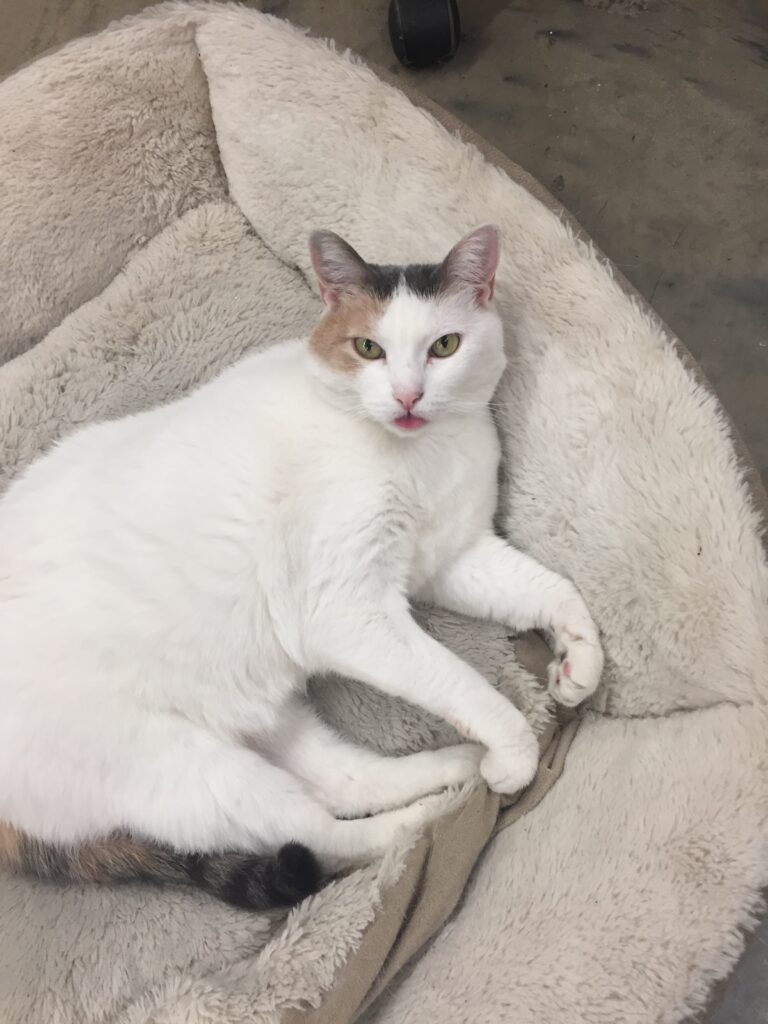
It’s with an extremely heavy heart that I share that our sweet little shop cat, Jewels, passed away today. I’m so grateful that I was able to say goodbye to her yesterday evening and that we were blessed with an amazing 16 years with her. But as one of my longest friendships (both pet and people), it’s really hard to imagine going to work every day without her. She started out as a scrappy street cat who was adopted to help keep the field mice away from the office (we’re located in the country in between two corn fields). She was fierce and feisty, earning her a nickname of “Crazy”. However, in her older age, she calmed down quite a bit and became a talkative and snuggly lovebug who loved to eat and throw up hairballs. Last year when I was going through my divorce, she would sit with me after everyone else left for the day and simply be there for me, purring away as I cried and poured my heart out to her. She was the perfect little friend and always there when I needed her. They say pets are sometimes better than people because the only time they’ll ever hurt us is when it’s time to say goodbye. I believe that’s true. The office isn’t going to be the same without her. I’m going to miss her dearly.
Rest well my sweet angel. “I’ll see you tomorrow”.
Losing a pet can be an incredibly painful experience. These companions often become cherished members of our families and become such important parts of our home (or work) lives. They provide unconditional love, affection, and joy. When they pass on, it can leave an emptiness in our hearts and a profound sense of loss. Coping with the grief of losing a pet is a deeply personal journey, but there are ways to navigate through this difficult time and find healing. I’ve actually lost 4 pets in total in the last 4 years, including our “Crazy” girl, Jewels, along with my German Shepherds, Vada, Lukas, and Logan. It definitely doesn’t get easier no matter how many times you have to experience it, but there are things we can do to help us get through the pain a little bit at a time.
Allow Yourself Time to Grieve:
The loss of a pet is a significant event and it’s important to acknowledge and validate your feelings of grief. Give yourself permission to mourn and express your emotions in whatever way feels right for you. Whether it’s crying, talking to friends and family, looking through old photos and videos of your pet, or just spending time alone, allow yourself the space to grieve without judgment. There’s also no time limit on grief and it’s a process that’s different for everyone. Have grace and patience with yourself as you walk through it and ask your loved ones to support you in those same ways as well.
Celebrate Your Pet’s Life:
Instead of focusing solely on the loss, celebrate the life and memories you shared with your pet. Create a scrapbook or photo album filled with happy moments, funny pictures, and cherished memories like their “gotcha day” or birthdays. Reflecting on the joy your pet brought into your life can help ease the pain of their absence. Try to feel comfort in the fact that even though their life was too short, they spent it with you and you showed them unconditional love until the very end. They were happy and had a good life because you were a part of it.
Reach Out for Support:
During this difficult time, don’t hesitate to lean on friends, family, or support groups who understand the unique bond between humans and their pets. Talking to others who have experienced similar loss can provide comfort and reassurance that you’re not alone in your grief.
Create a Memorial:
Honoring your pet’s memory can be a meaningful way to cope with their loss. Planting a tree or flower in their honor, creating a memorial plaque, or making a donation to an animal charity in their name are all thoughtful ways to pay tribute to your beloved companion. If you decide to cremate your pet, maybe pick out an urn that speaks to their personality and create a special place in your home to display it, along with some items like their favorite toy, collar or leash, a candle, and some photos.
Maintain Routine and Self-Care:
While grieving, it’s important to maintain a sense of normalcy in your daily life as much as possible. As impossible as it seems to go on since they were such a huge part of your day-to-day, try to stick to your regular routines, whether it’s walking your dog’s usual route or keeping up with feeding schedules for other pets. Additionally, prioritize self-care activities such as exercise, healthy eating, and getting enough rest to support your emotional well-being during this mentally draining time.
Consider Seeking Professional Help:
If you find that your grief is overwhelming and interfering with your ability to function, don’t hesitate to seek professional help. A therapist or counselor experienced in pet loss can provide support and guidance as you walk through your grief journey.
Give Yourself Time to Heal:
Healing from the loss of a pet is a process that takes time. Be patient with yourself and allow yourself the space to heal at your own pace. Remember that it’s okay to feel a range of emotions and there is no right or wrong way to grieve. It can be a rollercoaster, with good days then not so good days, and that’s a perfectly normal part of the process. You will never fully forget, but with time it can get easier to deal with the pain and start to regain your daily life.
Consider a New Pet (When You’re Ready):
While no pet can ever replace the one you lost, opening your heart to a new animal companion can bring joy and comfort into your life. When you feel ready, consider adopting a new pet from a shelter or rescue organization. The love and companionship of a new pet can help ease the pain of your loss and bring renewed purpose and happiness into your life. I can personally attest to having other pets in my home right after losing my pets helped me tremendously. When I came home crying after losing my girl Vada, I sat on my couch and just balled. My cat came and sat with me like he knew I was hurting and just wanted to comfort me. The love and bond between us and our pets is amazing and sometimes having another one to lean on during or after a difficult time can really be beneficial.
Losing a pet is a truly heartbreaking experience, but it’s also a testament to the deep connection and love we share with our animal babies. By allowing yourself to grieve, seeking support from others, and honoring your pet’s memory, you can find healing and comfort in the midst of loss. While your pet may no longer be physically with you, the love and memories you shared will live on in your heart forever and those are the things that made your pet’s life amazing.
Even though she didn’t live with me, I saw Jewels every workday for 16 years. Honestly, there’s a good chance I’ve spent more time with her than with my own furballs, especially since she’s the longest living pet I’ve ever had. I’m going to miss her so much, but am so grateful for all the time and love we shared together. If you’re also grieving the loss of a pet, hang in there, fellow furball parents and friends. I see you and it will get better, eventually. Be patient with yourself and remember that it’s okay to feel whatever it is you need to feel for as long as you need to feel it.
Planning a vacation can be both exhilarating and a little stressful if not organized and executed properly, especially with a busy lifestyle filled with work, family, and social commitments. Whether you’re dreaming of a weekend getaway with your husband in your home state, or a cross-country or international adventure with the whole family, having a well-thought-out plan is key to ensuring a stress-free and enjoyable trip. Here’s a little guide to help you plan your next vacation to help make sure nothing gets overlooked.
Step 1: Pick Your Location
Timeline: Up to 6-12 months in advance
1. Interest and Preferences: Consider what type of vacation you want. Are you looking for relaxation on a beach, an adventure in the mountains, cultural immersion in a foreign city, or a mix of everything?
2. Research: Look into different destinations that match your interests. Read travel blogs, watch vlogs, visit travel guru social media pages, and check out travel guides for inspiration.
3. Budget: Determine how much you’re willing/able to spend. Some destinations may be more budget-friendly than others and maybe you’ll want to put off longer getaways or trips abroad until it makes sense with your current budget.
4. Documentation: Make sure you have passports and other travel documents in place or apply for them during this time period if planning an international location, that way your plans don’t get held up waiting for things to arrive.
Step 2: Choose Your Dates
Timeline: Up to 6-9 months in advance
1. Seasonality: Consider the best time to visit your chosen destination. Look into weather patterns, peak tourist seasons, and any local events or festivals in your destination that might enhance or hinder your plans during your specific desired timeframe.
2. Work and School Schedules: Check your work calendar and any school schedules if you have kids. I like to plan vacations around holidays and long weekends when possible to maximize time off.
3. Flexibility: If possible, be flexible with your dates to take advantage of better rates on flights and accommodations during off-peak days or months.
Step 3: Schedule Time Off
Timeline: Up to 3-6 months in advance
1. Request Time Off: Submit your vacation request to your employer well in advance. Ensure you have enough vacation days saved up for the duration of your trip. It’s also helpful to plan for an extra day off before and after to help with last minute packing and then unwinding before heading back to the office.
2. Plan Around Commitments: Make sure you’re not missing any important work deadlines, family events, or social commitments.
Step 4: Book Flights and Accommodations
Timeline: Up to 3-6 months in advance
1. Flights: Use flight comparison websites to find the best deals. Set price alerts to get notified of any price drops.
2. Accommodations: Research hotels, vacation rentals, and alternative accommodations like hostels or bed-and-breakfasts. Read reviews and check locations to ensure they fit your needs, are clean, and are convenient with your plans.
Step 5: Plan the Itinerary
Timeline: Up to 2-3 months in advance
1. Must-See Sights: Make a list of attractions and activities you don’t want to miss. Prioritize them based on your interests and their popularity. Be sure to take into consideration all ages of the people in your group to make sure everyone can participate or plan for child care accordingly if you’re planning adult activities.
2. Day Trips: Research nearby places that could make for interesting day trips.
3. Meals: Look into local cuisine and popular restaurants. Make reservations if needed, especially for high-demand spots and during peak hours and seasons.
Step 6: Prepare and Start to Pack
Timeline: Up to 1-2 months in advance
1. Packing Checklist: Create a packing list tailored to your destination and activities. Consider the climate, length of stay, and any special events you’ll attend. Starting this list in advance ensures you’ll have plenty of time to pick up any items you might need for the trip so you’re not having to do that last minute the day before (been there, done that!).
– Clothing: Pack versatile pieces that can be mixed and matched. Consider layers for varying weather conditions.
– Toiletries and Essentials: Don’t forget to get travel sizes of everything according to current guidelines if you’re traveling by air and pay even more particular attention to what you’re allowed to take on international flights.
– Gadgets: Don’t forget chargers, adapters, and any electronics you’ll need.
2. Luggage: Choose appropriate luggage based on your mode of transportation (car, plane, etc.) and the length of your trip.
Step 7: Take Care of Home and Pets (and children if they’re not accompanying you)
Timeline: Up to 1-2 months in advance
1. Pet Sitters: Arrange for someone to take care of your furballs and/or kids if they’re not joining you. This could be a friend, family member, or professional pet-sitting service.
2. Home Security: Ensure your home is secure while you’re away. Consider asking a neighbor to keep an eye on it, temporarily holding mail delivery, and setting up timers for lights. If you have home security cameras, make sure you’ll have access set up from your mobile devices or laptop.
Step 8: Final Preparations
Timeline: Up to 1 week in advance
1. Confirm Reservations: Double-check all your reservations, including flights, accommodations, and any activities or tours.
2. Emergency Contacts: Share your itinerary with a trusted friend or family member. Provide them with copies of your travel documents and emergency contacts.
3. Packing: Do a final pack and make sure you have all essentials. Check the weather forecast for your destination and adjust your packing list if needed.
Bonus Tips
– Travel Insurance: Consider purchasing travel insurance to cover unexpected events like cancellations, medical emergencies, or lost luggage and jewelry.
– Local Customs: Familiarize yourself with the local customs, language basics, and cultural norms of your destination.
– Health Precautions: Check if any vaccinations or health precautions are needed for your destination. Bring any necessary medications and a basic first-aid kit.
I hope this helps you to be well-prepared to plan out your next adventure, ensuring a smooth and enjoyable vacation.
As always, with love and well wishes for safe and happy travels,
I hope this finds you well. Today, I want to talk about something deeply personal and, I believe, relatable for many of us (unfortunately). As someone who’s recently become an empty nester and then gone through a divorce, I’ve found myself living alone for the first time (ever!). It’s been a strange and often challenging time, but it’s also a journey filled with self-discovery and some unexpected positives. It took me a while to realize them and get on board with my new lifestyle, but I’m learning to welcome the changes, embrace the challenges as they come, and adapt to my new life on my own. So how do you navigate solitude after divorce and becoming an empty nester?
Adjust to Solitude
When my daughter graduated in 2019 and moved out, the house felt eerily quiet and empty. I had anticipated this moment throughout her senior year of high school, knowing that she would soon turn 18 and leave to start her own life. While I understood that this was a natural progression, as a teen mom who had always had her by my side, the reality was still hard to face. Even though my husband was still at home, I felt an immense sadness when she left, struggling to find a new sense of purpose. I knew she didn’t need me as she did when she was younger, and while I still worry about her safety, I’ve had to trust that she’s a smart and capable young woman. The transition from having her around all the time, especially as my only child, was incredibly challenging.
After my divorce, the silence that began when my daughter left became even more profound. Despite our rocky relationship, it was comforting to know someone else was there in the house with me. Although we had been sleeping in separate rooms for years, just having another person in the home provided a sense of security. We didn’t always communicate much, but knowing he was there for emergencies gave me peace of mind. The days leading up to his departure were daunting, and I was terrified to be on my own. The traditional view that men are the protectors and decision-makers in the home left me feeling vulnerable without him. Adjusting to this new lifestyle has been a slow process, but I’m gradually learning to trust myself, feel safe alone, and find ways to combat loneliness.
Now that I’m completely alone for the first time (minus my beloved furballs), I wanted to share some of my experiences and lessons learned. I hope these insights can help those of you facing similar situations. While I pray none of you have to go through a divorce, if you do, or if you’re transitioning to an empty nest, maybe these tips can ease your journey.
The Challenges
Living alone comes with its set of hurdles. These challenges have tested my resilience and forced me to grow in ways I hadn’t anticipated. Despite the difficulties, I’ve learned valuable skills and become more self-reliant in the process. Here are a few examples that I’ve encountered so far:
Household Maintenance and Repairs:
Lawn Care: Mowing the lawn and weed eating were tasks my ex-husband typically handled. I had never even sat on the mower before he left, and unfortunately, he wouldn’t show me how to use it. So, the first time I used the lawnmower by myself, I had to learn how to change a flat tire, pump up two more by hand, turn it on, and then I scraped (and probably bent) the blades backing it out of the shed. Although I was nervous and there was a steep learning curve, I was determined because it had to be done, and there was nobody else to do it except me. It was a hot Texas summer day, and it took me several hours longer than it used to take him, but I did it. The sense of accomplishment I felt afterward was worth the sweat and effort.
Plumbing Issues: When my toilet wouldn’t stop running and eventually turned from a trickle to a full-blown Niagara Falls gush, I felt overwhelmed and unsure where to start. I managed to turn off the water supply, spent hours watching YouTube tutorials, and made several trips to the store trying to find the correct parts to fix it. Despite changing out all the pieces inside the tank, I still couldn’t get it to flush and fill normally. After exhausting every possible solution over a few weeks and stumbling down the hall in the middle of the night to use the guest toilet, I finally broke down and spent the money on a plumber. He was impressed that I had attempted to fix it on my own and even gave me a discount because I was so close to fixing it. It turned out the parts I bought were faulty, which was reassuring as it showed I was on the right track. Although it was frustrating to be so close yet have to spend money I didn’t have on a plumber, it boosted my confidence and made me feel capable knowing I was almost there on my own.
Funny Side Story: The plumbing company was very adamant about keeping pets secured while their workers were on the job. I kept my dogs in the yard, as it was a nice cool day. The cats, however, were inside in the living room, but they were staying out of the way, so I let them be. My big meatball, who doesn’t typically like strangers, was hiding behind the couch. When the plumber finished and we were chatting while I was paying, he finally emerged from his hiding place and jumped up on the coffee table to say hello. The plumber commented on how much my cat looked like his own but couldn’t believe his size (he’s about 20 pounds). I guess my cat didn’t appreciate the comparison, and in true feline form, immediately swatted at the plumber, getting him pretty good on the finger. I was terrified the plumbing company would fine me or something for not having my pets completely secured, but luckily, they didn’t, and the plumber even forgave my cat after a few choice words!
Emotional Loneliness:
Coming Home to an Empty House:Walking into a silent home at the end of a long day can be profoundly isolating. I used to look forward to catching up with my daughter or husband, and the absence of that familiar routine leaves a void. While my pets are great listeners, their lack of reciprocation makes it hard to fill that gap.
Dining Alone: Eating every meal alone is particularly difficult. Dinners and weekend breakfasts were always family affairs, times to connect and share our days without distractions. I deeply miss those conversations and shared laughter. Now, I seize any opportunity to have a meal with my mom, daughter, or friends. Plus, cooking for myself means I always have extra and get bored with the leftovers before I can eat them all. Recently, I’ve considered going to a local restaurant and sitting at the bar, just to be around people, eat something fresh and different (that I don’t have to clean up, added bonus!), and maybe catching an Astros game.
Entertainment and Social Activities:
Watching Shows and Movies: Watching TV alone can be lonely, especially if you’re used to discussing the shows and movies with someone else. To fill that gap, I now make it a point to recommend every good show or movie to my mom or a friend and always take others’ recommendations. This way, I have someone to chat with about them.
Going Out: Whether it’s dining out, attending events, or simply going for a walk, doing these activities alone initially felt awkward. Fortunately, my dogs keep me company on walks, and we’ve recently started going down to the river to play in the water now that it’s summer. Going to the theater alone has never appealed to me, but it might be something worth trying. I’ve surprised myself with how many things I actually enjoy doing alone. Watching a rom-com by myself means I don’t have to worry about anyone else being bored with all the girly meet-cutes and “chick” stuff.
Grabbing a Drink: Doing this alone used to feel intimidating, but I’ve discovered it’s quite liberating. Whether it’s enjoying a coffee at a cozy café or having a cocktail at a bar, I’ve learned to appreciate my own company and treat myself to these experiences as I would if I were with others. It’s a great way to unwind, people-watch, and even strike up a conversation with someone new if I feel like it.
Handling Finances:
Budgeting and Bills: Managing household finances alone was daunting. I had always been in charge of paying the bills, which I preferred, but my ex-husband and I used to pool our money together for this. Suddenly having sole financial responsibility was a significant shift. Even before he left, I started using a budgeting app to keep track of all my expenses and began cutting back on non-essential items like streaming services, nail appointments, and extra high-speed internet. It’s been a steep learning curve and required some sacrifices to our previous lifestyle, but I’m doing just fine with these adjustments. Embracing a simpler life has given me a better understanding of my finances, making me feel more in control despite having substantially less income.
Unexpected Expenses: When the car needed repairs or an appliance broke down, the financial strain was more acute. Slowly but steadily, I’ve been building an emergency fund to cover unexpected expenses. Although progress is slow due to limited extra income and the need to feed seven mouths, this fund has given me peace of mind and a sense of preparedness.
Security Concerns:
Home Security: Living alone made me more conscious of security. While my three large dogs hopefully serve as a deterrent to potential intruders, I’ve also invested in security cameras placed around my home. These cameras might not completely prevent a break-in, but they act as an additional deterrent and can help identify a burglar if it comes to that. Having these measures in place has significantly alleviated my anxiety about being alone.
Health Emergencies: The thought of having a medical emergency while alone was daunting. To address this, I made sure to have a list of emergency contacts easily accessible and set up regular check-ins with friends or family members. Additionally, I familiarized myself with basic first aid. One of my biggest fears is choking, so I purchased a device that can help dislodge food if I ever choke while alone. These precautions have given me a greater sense of security and readiness.
Decision-Making Fatigue:
Making All Decisions Alone: From deciding what to eat for dinner to making significant life decisions, bearing sole responsibility for every choice can be utterly exhausting. To alleviate this burden, I often seek advice from friends or family and streamline daily decisions by planning meals and activities in advance. While plans can always be adjusted later, having a clear idea of what to expect and something to look forward to has been immensely beneficial for my mental well-being.
Find the Silver Linings
Living alone certainly presents its challenges, but it’s also an opportunity to discover joy in the little moments. While there are still days or even longer stretches where I feel lonely and uncertain about what comes next, I’ve found several things that have made the journey easier. Whether it’s the satisfaction of finishing a DIY project, the tranquility of a quiet evening with a good book, or the freedom to watch whatever I want on TV, there are many small pleasures to appreciate. Here are some of the personal discoveries that have helped me embrace and thrive in my newfound solitude:
Rediscovering Independence:
Empowerment Through Self-Sufficiency: Handling household tasks and repairs on my own has been incredibly empowering. For instance, I’ve started repainting the inside of my home, something I had never attempted before and something my husband was actually against (not sure why?). Though it’s taken me about 8 or 9 months and I’m still nowhere close to done, the pride I feel looking at the freshly painted walls, knowing I did it myself, is immeasurable. They look so pretty now! Each small victory in self-sufficiency reinforces my capability and independence. I also installed a brand new light fixture in my dining room, which I’m still surprised I even attempted. However, it’s done, I did it all by myself, and it was inexpensive and easy! Now I have a more modern light fixture to go with my half-done freshly repainted walls.
Not Being Needed for Everything: This aspect of my new life is bittersweet for me. It’s been extremely challenging not to feel needed or wanted anymore, and it has taken time to figure out my new purpose in life. However, having said that, it has been somewhat refreshing not to hear things like “where are my socks” or “hey, can I have 20 bucks?” These types of questions used to come from both my daughter AND ex-husband. While I enjoyed being the hero mom/wife to the rescue, it’s also been nice not to have to know everything for everyone else. Now I have the peace of mind of knowing that I won’t be questioned and if I put something somewhere it will be exactly where I know I left it later (unless a cat gets to it first).
Personal Growth:
Time for Self-Reflection: Solitude has provided me with ample time for introspection. I’ve started journaling regularly, which has helped me process my thoughts and emotions. This period of self-reflection has deepened my understanding of myself, my goals, and my values. It’s been a journey of personal growth and self-discovery.
Pursuing Education and Skills: Investing in oneself and dedicating time to broaden one’s knowledge base is never a waste of time or resources. I’ve begun to consider what new things I want to learn and how I’d like to grow as an individual. Without the need to coordinate plans around others, I’ve started learning Spanish using an app on my phone. Even this small step in self-improvement feels significant and is something I’ve always wanted to do for myself but never prioritized.
Freedom:
Redecorating and Personalizing My Space: I’ve fully embraced the freedom to redecorate and rearrange my home according to my tastes and preferences. For instance, I’m converting my daughter’s old room into an office and an oversized closet for myself, and transforming my former step-son’s room into a guest bedroom. These projects are not only enjoyable for me but also make my home feel uniquely mine. There’s no pressure to complete everything quickly; I can work at my own pace, as time and finances allow.
Flexible Schedule: Without needing to coordinate with anyone else’s schedule, I’ve established routines that suit me and my pets perfectly. I can exercise in the evenings, have dinner whenever I choose, and spend weekends indulging in hobbies or spontaneous outings. Sometimes, I have to remind myself that it’s okay to go and do whatever I want, whenever I want. I used to feel guilty about taking time for myself, but that’s no longer as much of a concern now that I’m on my own.
Pursuing Hobbies and Interests:
Rediscovering Old Hobbies: I’ve revisited hobbies that I had set aside. For example, I’ve started writing and painting again—things I loved in my younger years but lost touch with. Rediscovering these passions has been incredibly fulfilling and a wonderful way to spend my free time.
Exploring New Interests: I’ve also delved into new interests, such as gardening and learning to speak Spanish, as previously mentioned. Engaging in these activities has brought me joy and creativity. Each new skill I acquire adds to my sense of accomplishment and well-roundedness.
Building a New Social Life:
Friends: My husband didn’t really care for me to have many friends so the few I did have were connected to him, which made it awkward to maintain those relationships after our divorce. Instead, I’ve been focused on making new friends who know nothing about my past relationship and can get to know the person I am now, in this current chapter of my life. Recently, an old friend mentioned that I seem different after my divorce, and while it may not have been meant positively, I agree. I am different—I’m still myself, but I’ve undergone significant changes physically, mentally, and emotionally, and I’m okay with that. Finding new people who accept me without judgment and appreciate me for who I am now has become very important to me.
Stepping Out of My Comfort Zone: I’ve actively pushed my anxieties aside and embraced trying new things. From exploring new foods and restaurants to joining community groups and events, I’ve challenged myself to do things I wouldn’t have considered before. This has led me to meet fascinating new people and discover new passions along the way.
Enhancing Home Comfort:
Creating a Cozy Environment: I’ve dedicated time and effort to transform my home into a comfortable and inviting space. This includes investing in (affordable!) new furniture that I love sinking into after a long day. Decorating with plants has not only added a touch of greenery but has also brought a sense of calm and serenity to my living spaces. One of my favorite places to relax is my newly designed bedroom, which now feels like a peaceful retreat with soft lighting, soothing colors, and cozy bedding. Removing clutter, especially things that were not mine and were reminders of the past, has been incredibly liberating and has had a positive impact on my mental health. It’s allowed me to create a space that truly reflects who I am now and has significantly improved my overall well-being and mood.
Personal Projects: Taking on DIY projects around the house has become a fulfilling hobby. I’ve built shelves for my decor and art pieces, and I’ve even created my own artwork to hang on the walls. These projects have not only added a personal touch to my home but have also given me a sense of accomplishment and pride. They’ve allowed me to make my space uniquely mine, which has been empowering and rewarding.
Self-Care and Wellness:
Prioritizing Self-Care: Living alone has given me the opportunity to prioritize self-care in ways I never did before. I’ve established a daily self-care routine that includes more down time, a skincare routine, and dedicating time to my hobbies and interests. This routine has become a non-negotiable part of my day and has helped me manage stress and improve my overall well-being. By taking care of myself, I’ve found that I have more energy and a more positive outlook on life.
Fitness and Health: I’ve rediscovered the joy of incorporating fitness into my daily routine. Activities like lifting weights and low impact cardio have become staples in my schedule, and I love that I can do them at my own pace and on my own time. These activities not only keep me physically fit but also boost my mood and mental clarity. I’ve found that staying active is an essential part of maintaining my health and has become something I genuinely look forward to each day.
Tips for Thriving Alone
Despite the challenges and rollercoaster of emotions you’re bound to feel when living alone for the first time, there are numerous positives and opportunities that await. Here are some things you can do when you’re newly single and/or living alone.
Learn New Skills: Take this opportunity to learn skills that will make you more self-sufficient. YouTube tutorials have been a lifesaver for me, especially for home repairs.
Stay Connected: Loneliness can be mitigated by maintaining strong connections with friends and family. Regular calls, video chats, meet-ups, and even virtual hangouts can make a big difference.
Redefine Routines: Without the need to cater to others’ schedules, you can create routines that suit you perfectly. Whether it’s meal times, workout routines, or leisure activities, tailor your daily life to what feels best for you.
Pursue Hobbies: Dive into hobbies or interests you’ve always wanted to explore. For me, it’s been a mix of redecorating, writing, and picking up new crafts.
Adopt Pets: If you don’t already have pets, consider adopting. My furballs, although hard to care for all by myself at first (there are 6 of them and I’m outnumbered haha!), have been an incredible source of comfort and companionship. They fill my home with energy and unconditional love. And their ability to sense my sadness or loneliness sometimes and provide extra snuggles at just the right time is so incredibly amazing!
Join Groups: Look for local clubs or groups that align with your interests. Whether it’s a book club, hiking group, or cooking class, these activities can help you meet new people and create a sense of community.
Volunteering: Volunteering at local charities has been another fulfilling way to spend free time. It’s not only rewarding to give back to the community, but it’s also provided a sense of purpose and can connect you with like-minded individuals.
Enjoy the Solitude: Take advantage of the quiet to practice self-care and mindfulness. Whether it’s a long bath, journaling, or simply enjoying a cup of tea in peace, these moments can be deeply restorative.
Final Thoughts
Transitioning to living alone is undeniably challenging, but each obstacle overcome brings a sense of accomplishment and self-reliance. It’s a journey of rediscovery and empowerment. By sharing these experiences and tips, I hope to offer support and solidarity to those of you facing similar transitions. Remember, it’s okay to feel lonely at times, but it’s also okay to find joy in your own company and every challenge is an opportunity for growth and learning. With each step, we become more capable and confident, ready to embrace the next chapter of our lives.
To all the women out there navigating similar transitions, know that you’re not alone. We’re all in this together, finding our way, one day at a time.
Spring is finally upon us! As the days get longer and the air gets warmer, there’s a sense of renewal that inspires many of us to embark on the tradition of spring cleaning. As a woman who personally juggles working full time, writing, my family and furballs, and a myriad of other responsibilities, I understand how daunting the task can seem. But fear not! With the right approach, spring cleaning can be a manageable and even enjoyable experience.
Let’s work together to refresh our homes without feeling overwhelmed!
1. Start with a Plan
Why Have a Plan?
Having a clear plan prevents you from feeling overwhelmed and ensures that you stay focused and organized, while having a precise outline of exactly what needs to be done.
How to Plan:
Make a List: Write down every area of your home that needs attention, from the kitchen to every closet.
Prioritize: Decide which areas need the most work and tackle those first.
Set a Timeline: Dedicate specific days to different tasks to avoid burnout. For instance, clean the kitchen on Monday, tackle the bedrooms on Tuesday, and so on. Take your time and have grace with yourself by allowing plenty of time, especially when working around work, school, or kids’ activity schedules.
2. Gather Your Supplies
The Essentials:
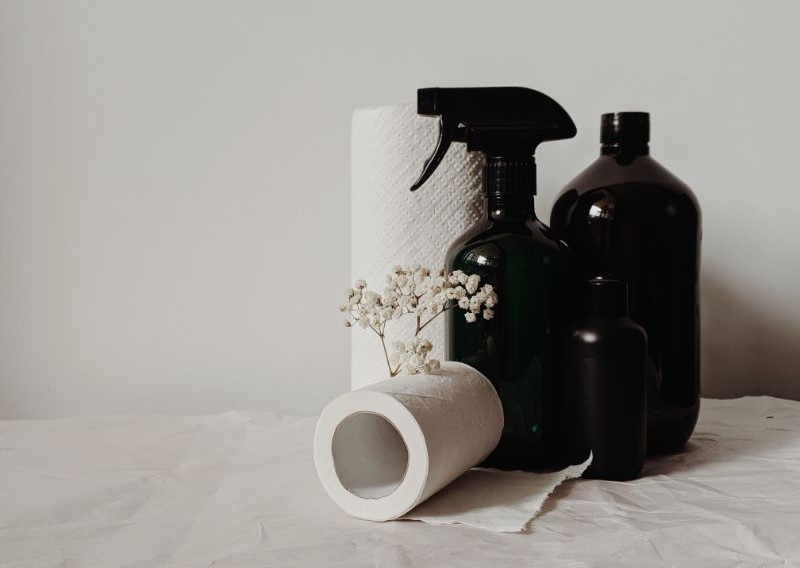
Microfiber cloths
Multi-surface cleaner
Glass cleaner
Vacuum cleaner
Broom and dustpan
Mop and bucket
Storage bins or boxes for decluttering
Pro Tip: Having all your supplies ready before you start saves time and keeps you from getting distracted.
3. Declutter First
Why Declutter?
Clutter can make cleaning more difficult and time-consuming. It can also create an added overwhelming sense for some of us. By removing unnecessary items in each room, you create a more open and inviting mental and physical space to help you get started and stay on track.
Decluttering Tips:
Four-Box Method: Use four boxes labeled Keep, Donate, Trash, and Relocate. Sort through your items and place them in the appropriate box.
One Room at a Time: Focus on one room to prevent the task from becoming overwhelming.
Be Ruthless: If you haven’t used it in the past year, it’s probably time to let it go.
4. Deep Clean Key Areas
Kitchen:
Clean out the refrigerator and pantry, discarding expired items.
Wipe down cabinets, countertops, and appliances.
Scrub the oven and microwave.
Living Room:
Dust all surfaces, including shelves and light fixtures.
Vacuum furniture and clean underneath cushions.
Wash any curtains or dust blinds.
Bedrooms:
Wash bedding and curtains.
Dust all surfaces and vacuum the floors.
Organize closets and drawers, donating clothes you no longer wear.
Bathrooms:
Scrub the shower, tub, and toilet.
Wipe down mirrors and sink areas.
Replace old towels and bathmats with fresh ones.
5. Refresh Your Home’s Atmosphere
Bring in Spring:
Add Plants or Fresh Flowers: Indoor plants can purify the air and add a touch of nature or color.
Open Windows: Letting in fresh air can invigorate your space and mood.
Seasonal Decor: Swap out heavy winter decor for lighter, spring-themed items like floral pillows or pastel-colored accents.
6. Maintain the Clean
Daily Habits:
Make your bed each morning.
Do a quick tidy-up before bed each evening, especially places that tend to get messy quickly like the kitchen.
Wipe down surfaces regularly to prevent buildup and the need for more frequent deep cleanings.
Weekly Routines:
Dust and vacuum each week.
Clean bathrooms and kitchen surfaces regularly.
Set aside 10-15 minutes daily to tackle small cleaning tasks and picking up random items to keep your home looking fresh.
Final Thoughts
Spring cleaning doesn’t have to be a massive, all-at-once project. By breaking it down into manageable steps and spreading it out over several days or weeks, you can enjoy a cleaner, more organized home without the stress. Remember, the goal is to refresh your space and create a comfortable, inviting environment for you and your loved ones.
So put on your favorite playlist, grab those cleaning supplies, and embrace the sense of renewal that spring brings.
As I may have mentioned before, at least a time or two (haha) last year was the most difficult year of my life thus far. During some of my darkest times, someone close to me told me the best thing I could do is take care of myself. If I couldn’t do anything else but get out of bed that day, then just focus on taking care of my mental, spiritual, and physical health as best as I could that day. In that regard, I spent a lot of time trying to make improvements in my life and heal myself in all areas. I had neglected myself and been unhappy for so long, that last year I finally decided it was time to make myself and my well-being a priority.
Having said all of that, I made a lot of purchases (inexpensive ones) that helped me on my journey to better all areas of my life. Although self care looks different for everyone, I thought I’d share with you some of my favorite products that I purchased last year. Some of these items were actually gifted to me by close friends or family, but most are things that I purchased after some research and/or recommendations from others.. Nonetheless, these are the things that helped me get through the last year and things that I would recommend to anyone to make improvements, not just someone going through a hard time.
1. Bidet
This might sound crazy, but hear me out! Investing in a bidet was a game-changer for my personal hygiene and comfort. This simple addition to my bathroom routine made a world of difference. Not only does it leave you feeling incredibly fresh and clean, but it’s also more eco-friendly than traditional toilet paper. It’s a small luxury that has brought a bit of spa-like indulgence into my everyday life. Super inexpensive and very easy to install. I did it all by myself without any tools!
2. Toilet Stool
This might seem like a strange purchase, but a toilet stool has surprisingly improved my digestive health. By elevating my feet, it has helped with a more natural position for easier “movements”. Recommended by my pelvic floor therapist, it’s a small change that has made a significant difference in my overall comfort and well-being.
3. Water Flosser
Flossing has never been the favorite part of my day, but the water flosser made it so much easier and even enjoyable. It’s more effective than traditional floss, reaching places that are hard to get to. My gums have never felt healthier and it’s now a non-negotiable part of my daily routine, especially now that I have Invisalign and am flossing and brushing like 5 times a day!
4. Cat Litter Box Cabinet
As a cat momma to THREE feline friends, keeping the litter box situation under control is crucial which helps me to reducce stress and improve my overall well-being and mood. Plus, I have large dogs that like to find the little “treats” my cats leave behind for them in the “sandbox”. Try convincing my dogs those aren’t for them! This litter box cabinet not only conceals the unsightly box, but also helps contain the mess and odor, as well as keeps it hidden from my nosy canine investigators. It blends seamlessly with my home decor and my feline furballs love their private commode too!
5. Astronaut Galaxy Projector
This lamp was actually a gift, but quickly became one of my favorite items and is a very affordable Amazon find. This little gadget transforms any room into a starry haven with its mesmerizing galaxy and star projections. Not only does it create a serene and magical atmosphere, but it also doubles as an adorable decor piece with its cute astronaut design. It’s perfect for setting a calming mood before bed and I seriously use it every single night now. The soft, colorful lights help me unwind and add a touch of wonder to my evenings, making it a delightful and soothing escape from the stresses of the day.
6. UV Gel Polish Kit
One of my self-care rituals is doing my nails which makes me feel put together and pampered. The UV gel polish kit has been a fantastic addition and allows me to achieve salon-quality nails at home, saving time and money. The gel polish lasts longer than regular nail polish and I love experimenting with different colors and designs. The kit I found on Amazon came with 30 different polish colors, the UV light to cure the polish, and a bunch of accessories like nail files, toe separators, and cuticle oil.
7. Charcuterie Board
Entertaining at home became a joy with the beautiful wooden charcuterie board I found stumbled across. Although it’s not technically for self car, it’s perfect for hosting friends or just treating myself to a fancy snack, both of which help my overall well-being. The board has sections for different cheeses, meats, fruits, and nuts, making it easy to create an Instagram- or Pinterest-worthy spread. It also came with little matching spoons, forks, knives, and dipping bowls to complete the presentation. Plus, it’s a lovely centerpiece for any gathering.
8. Cloud Sandal Slides
Comfort is key to feeling good and the cloud sandal slides I found have been my go-to footwear at home. They’re incredibly soft, easy to slip on and off, easy to clean when my dogs step on me with muddy paws, can be worn outside, and provide excellent support, making them perfect for lounging around the house or running quick errands. They’ve been a small, but significant addition to my comfort routine.
These are just a few of the items that made a big impact on my self-care journey last year. Each of these products brought a little bit of joy, comfort, and convenience into my life, helping me focus on healing and improving myself. If you’re looking for ways to enhance your well-being, I highly recommend giving these a try. Remember, taking care of yourself is the first step to overcoming any challenge.