
by Lindsay | Aug 14, 2024 | Love + Relationships
Breaking up is never easy. Whether you’re the one who ended the relationship or the one who was left, the emotional aftermath can be overwhelming. Having recently gone through a breakup myself, I understand just how difficult it can be, especially when there’s no clear reason or fight behind it. It’s one thing to end things amid anger or betrayal, but it’s another to part ways simply because life has taken you in different directions.
In my case, we both realized that we were at different places in our lives. We had to be brave enough to stand up for our own desires, acknowledging that the timing just wasn’t right for us. Despite the care we still have for each other, we decided it was best to part ways due to conflicts we couldn’t resolve. The care I have for him remains, and I cherish the time we shared, holding onto a hope that maybe one day the timing might be right. But for now, the best thing to do is to focus on healing and moving forward.
No matter what prompted the breakup, the pain and grief of losing what you thought you’d have with someone you love can be devastating. It’s a universal experience, one that many of us go through at some point. With that in mind, I want to share some things that have helped me during this difficult time. My hope is that they might offer you some comfort and guidance as well. Healing is a journey, unique for everyone, but it’s crucial to take care of yourself every step of the way.
Take Care of Yourself First and Foremost
- Prioritize Self-Care: Make sure you are eating, drinking plenty of water, sleeping well, and maintaining your hygiene. It’s easy to neglect these basics when you’re feeling down and all you want to do is cry in bed while watching The Notebook (true story), but it’s crucial for your well-being that you practice at least the bare necessities to maintain your health.
- Stay Active: Exercise is a great way to boost your mood and get those endorphins flowing. Whether it’s a walk in the park, a yoga session, or hitting the gym, staying active can help you feel better physically and emotionally. Try to get your body moving for at least a short while every day until you can get back to your regular workout schedule.
- Do Things You Enjoy: Engage in activities that make you happy. Paint your nails, style your hair, watch your favorite movies, or read a good book. These small acts can provide a sense of normalcy and joy. Although it’s crucial to experience and feel all the stages of your emotions throughout the breakup and healing period, sometimes distractions can help get your mind off things for a little while and aid the grieving process.
Taking care of yourself is essential during this time. Prioritizing self-care, staying active, and doing things you enjoy are crucial steps in maintaining your physical and emotional well-being. Remember, these small acts of kindness towards yourself are not just about healing but also about reaffirming your worth and strength. By focusing on these basics, you create a foundation of self-love and resilience that will support you through the healing process.
Don’t Obsess
- Avoid Overthinking: Once the decision to break up is made, try not to overanalyze every detail. Overthinking and playing “what if” scenarios can keep you stuck in the past. Remember the reasons why the breakup happened and the feelings that led to it. Don’t dwell on what you could have done differently. The decision to break up isn’t easy and likely involved a lot of thought.
- Don’t Second Guess: Trust that you made the right choice for yourself. Were you a priority? Were your needs met? Was there healthy communication? Did your short and long term goals align? Reflect on these questions and if any of these areas were lacking, it’s probably best that you made the decision you did. Focus now on moving forward.
- Let Go: If he was the one to break up with you, let him go. It’s important to feel the pain so you can heal, but also to respect his decision and let him move on. You can’t change his mind or desires, so don’t waste energy on those thoughts. Let him move on, and give yourself the time to heal, and move on when you’re ready.
Avoiding the trap of overthinking and second-guessing is crucial for your emotional recovery. Obsessing over the past only keeps you stuck and prevents you from moving forward. Trust the decision that was made and focus on letting go. By resisting the urge to analyze every detail, you give yourself the freedom to heal and grow. Remember, what’s meant to be will be, and it’s important to allow both yourself and your ex the space to move on.
Stay Positive and Hopeful
- Keep Hope Alive: Just because this relationship didn’t work out doesn’t mean you won’t find love again. Starting over can be daunting, especially if you’ve already done it before and the older we get, but believe that the right person is still out there for you. As they always say, you’ll probably meet him when you least expect it. Stay positive and focus on yourself in the meantime.
- You’re Never Too Old: Age is just a number. It’s never too late to find happiness and love again. New beginnings can bring about hope and beauty, offering fresh opportunities for joy and connection.
- Surround Yourself with Joy: Spend time with supportive and positive people who uplift you. Their encouragement can help you maintain a hopeful outlook and remind you of your worth. Not getting too down on yourself and being around others who care about you is crucial during this time as well.
Staying positive and hopeful after a breakup is essential for your future happiness. Keep hope alive and remember that this breakup doesn’t define your future relationships. Starting over can be intimidating, but it’s never too late to find love and happiness again. Embrace the belief that the right person is out there for you, and use this time to focus on personal growth and new opportunities. Maintaining a hopeful outlook will guide you toward a brighter and more fulfilling future.
Don’t Let Loneliness Take Over
Feeling lonely after a breakup is natural, especially if you were used to looking forward to someone’s call, date nights, or quality time together at home. Without roommates or kids in the house, the silence can be overwhelming, but there are healthy ways to distract yourself and keep loneliness at bay.
- Pets Are Great Companions: If you have a pet, spend quality time with them. Go for a walk, make a funny TikTok video, play fetch, or give them a bath. Their unconditional love and companionship can be incredibly comforting, and they’ll appreciate the extra time and attention.
- Reach Out to Friends: Connect with friends and plan social activities. Whether it’s a coffee date, a movie night, or just a phone call, spending time with others can alleviate feelings of loneliness.
- Engage in New Activities and Hobbies: Take this time to explore new interests or rekindle old ones. Join a class, start a new hobby, or volunteer. These activities can fill your time and introduce you to new people.
- Enjoy Your Alone Time: It can be sad not having something to look forward to, like the next date or time you’d see each other, but this won’t last forever. Use this downtime to enjoy your own company and rediscover yourself. Read, meditate, cook a new recipe, or take up a solo project. View being alone as a positive opportunity to cherish your own company.
- Focus on the Future: The feeling of loneliness is temporary. You’ll have things to look forward to again, and this period of alone time can be a chance to grow and prepare for new opportunities and relationships. Reflect on what you want for yourself and your relationships in the future, so you’ll know what you want with Mr. Right when you meet him.
It’s easy to feel sad and down when you’re alone, but try to distract yourself in healthy ways. Pets, friends, and new activities can help fill the void, and before you know it, you’ll have things to look forward to again. Use this time to focus on yourself and embrace the possibilities that lie ahead, whether you’re single or in a relationship again one day. Embrace whatever season you’re in and be grateful for all you have along the way.
Embrace the Journey
Healing after a breakup is a journey, one that requires patience, self-compassion, and a positive outlook. By taking care of yourself, resisting the urge to overthink, staying hopeful, and not letting loneliness take over, you pave the way for personal growth and new beginnings.
Additional Tips:
- Surround Yourself with Support: Lean on your friends and family. They can offer a listening ear, comforting words, and a reminder that you’re not alone.
- Set New Goals: Focus on personal growth and set new goals for yourself. Whether it’s learning a new skill, taking up a hobby, or pursuing a career goal, redirecting your energy can be empowering.
- Limit Contact: It can be tempting to reach out to your ex, but it’s often better to have some distance. Give yourself time and space to heal without reopening old wounds.
- Seek Professional Help: If you’re finding it hard to cope, consider talking to a therapist. They can provide guidance and support as you navigate your emotions.
- Embrace New Opportunities: A breakup can be a chance for a fresh start. Embrace new opportunities and experiences that come your way.
To put it bluntly, breaking up sucks and it’s okay to be sad for a while. But remember to take care of yourself, stay active, and do things that make you happy. Avoid obsessing over the past, let go, and keep hope alive for the future. Surround yourself with support, set new goals, and embrace the opportunities that come your way. Healing takes time, but you will get through this and come out stronger on the other side.
Life has a way of surprising us when we least expect it. Every step you take towards healing brings you closer to a brighter and more fulfilling future. Embrace the possibilities, cherish the support around you, and trust in your resilience. What’s meant to be will unfold, and you have the strength to move forward with hope and optimism.
As always, I’m right here with you and you have all my love and support,
-LS

by Lindsay | Aug 7, 2024 | Love + Relationships
The Challenges
Being in a relationship always demands effort to foster happiness and success, but when you add the complexities of long distance and a partner with a demanding career, it can feel like an uphill battle. I’m navigating this very experience with someone who is deeply passionate about his job, which often means travel and long hours that leave us with precious little time to connect. As someone whose love language is quality time, this has been especially challenging for me, particularly since I live alone and don’t have much family nearby. There are days when we barely get a chance to talk, and when we do, it’s often through hurried texts rather than deep meaningful conversations.
This is a new frontier for me as the longest distance I’ve previously managed was just a short 30 minute drive away. I find myself missing him terribly more often than not and longing for a more regular “normal” relationship where we can share more of our everyday lives together.
Recently, I had a heart-to-heart with a friend who has just moved in with her partner after a long-distance relationship of 6+ years. Her experience was both encouraging and validating. It was reassuring to hear someone acknowledge how hard it is, even if there’s no quick fix for our situation. Her words reminded me that while this phase is tough, it’s a temporary challenge with a potentially beautiful outcome.
One crucial piece of advice she shared was the importance of communication. For her, maintaining consistent and intentional communication was a make-or-break factor in their relationship. This resonated deeply with me and I’m focusing on ensuring that we communicate effectively and frequently. It’s essential to remember that we’re on the same team, working together to overcome the difficulties of distance and busy schedules.
I know this season is going to be challenging, but it’s comforting to have a shared goal in sight. We have plans in place and are working toward them, which motivates me to push through the days when I feel alone and miss him dearly. As my friend wisely pointed out, staying committed, working as a team, and keeping the lines of communication open will make this journey worthwhile.
In the meantime, here are some strategies we’re using to keep our relationship strong until we can finally enjoy the daily life together that we both dream of.
Striking a Balance
The key to making any long distance relationship with a demanding work schedule successful lies in finding a balance that allows both partners to feel fulfilled.
1. Communication is Crucial: While I may have emphasized this before, it’s worth repeating, trust me. Even if your schedules don’t align perfectly, prioritizing communication is essential. Whether it’s a brief text during a work break or a video call when a visit isn’t possible, maintaining a connection despite physical distance is key to sustaining your relationship.
2. Set Realistic Expectations: Recognize that his career will occasionally demand more of his time. Instead of feeling neglected, remind yourself of his dedication and goals. Understanding this will help manage your expectations and alleviate frustration. His passion for his work should add joy to his life, not detract from your relationship. As his partner, support him through his busy periods while also ensuring he acknowledges and validates your feelings. Grace and mutual support are crucial during these times, as they will one day become just a memory.
3. Quality Over Quantity: When you do have time together, make it count. Plan activities that foster deep connection and focus on the moments you have together. Even if it’s simply enjoying each other’s company in silence, prioritize these moments. While family and friends are important, maintaining a strong bond as a couple is essential. Building non-physical intimacy—like shared interests or inside jokes—can help bridge the gap during periods when you’re apart.
4. Be Involved in Daily Routines: Stay connected by involving each other in your daily lives. Ask about each other’s day, remember small details like a doctor’s appointment, or watch a show “together” and discuss it afterward. These small interactions help you feel more integrated into each other’s lives. Establishing traditions, such as visiting a favorite restaurant during in-person visits or waiting to watch a new movie together, can also strengthen your bond.
5. Support Each Other’s Goals: Just as you support his career, he should equally support your aspirations and the goals you put in place for your relationship. This mutual support reinforces the bond between you and demonstrates that both partners are invested in and committed to the relationship. Prioritizing each other’s individual needs alongside your shared goals strengthens your connection and paves the way for the beautiful “in person” relationship you’ll have in the future.
6. Have a Long-Term Plan: Discuss your future together and ensure you’re aligned on timelines and goals. Having a shared vision for the future provides comfort and motivation during challenging times. Regularly review and adjust your plans as needed, addressing any changes or new challenges together. Flexibility is important, but consistent communication and reassessment prevent confusion and help maintain a sense of unity and progress.
What’s Too Much to Ask?
Navigating a long-distance relationship while managing demanding careers requires finding a balance between respecting each other’s professional commitments and feeling valued in the relationship. While it’s reasonable to seek daily communication and regular visits, it’s essential to recognize that expecting your partner to frequently abandon work responsibilities may not be practical. The key is to strike a compromise where both partners’ needs are acknowledged and addressed.
Open and honest communication about each other’s expectations and needs is crucial. Discuss what you both realistically require to feel connected and valued, and then work together to make those needs manageable. Trust and patience are vital, as the pace of your relationship may not align with traditional expectations of “normal” close proximity relationships due to the physical distance and busy schedules.
Of course neither of you will expect the other to sacrifice your career goals or relocate immediately. Instead, focus on making the most of your time together and ensuring that the relationship remains fulfilling and supportive until it’s time to make those bigger and longer-term moves. If both partners are committed to making it work and see value in the relationship, continual dialogue about needs and boundaries will help maintain balance and mutual satisfaction as you navigate this challenging period together. Be sure you’re on the same page about what you want in the future and how quickly (realistically) it can be achieved so you’re both understanding of each other’s desires and feel a part of each other’s lives despite the distance and career commitments.
Priorities
In a long-distance relationship, balancing priorities is crucial. (as well as with any child or family responsibilities as well). In a long-distance relationship, balancing priorities is crucial. While career ambitions, family and other personal responsibilities are important, your relationship should be considered a top priority as well. This doesn’t mean that either of you should neglect your job or your relationship and that either should take a back seat to the other, but it’s about integrating your lives in a way that respects and nurtures both aspects in a positive and healthy way that is all-inclusive.
For instance, finding ways for him to adjust his work or travel schedule to create more opportunities for a connection can make a significant difference. Maybe during a flight out of town he can plan his layover close to you so you can have a dinner together before a long stretch of time apart. So yes, this might involve him occasionally rearranging work commitments, but it’s also about you adapting your own plans to better align with his availability as well. The goal is to ensure that both partners are actively involved in making the relationship work despite the distance and both are putting in the necessary effort, compromise, sacrifice, and teamwork that are essential for success. Both partners need to contribute to maintaining the relationship, which involves making sacrifices and being flexible. Open communication about your needs and goals, both individually and as a couple, is key to navigating this phase successfully.
Remember to keep the future in focus. This challenging period is temporary and serves as a stepping stone towards building a more fulfilling and stable relationship. By prioritizing each other and working together, you can overcome the hurdles of distance and time, paving the way for a stronger connection and mutual happiness in the long run. Think about how amazing your relationship will be once you’ve built this incredible foundation and how much more you’ll appreciate the little things together like having dinner any night of the week or giving each other a hug or kiss any time you feel like it.
Final Thoughts
Navigating a long-distance relationship with a busy partner is challenging, but not impossible. It requires patience, understanding, and a lot of communication. By setting realistic expectations and finding ways to maintain a connection, you can create a fulfilling relationship that supports both of your aspirations.
Remember, every relationship is unique, and what works for one couple may not work for another. The key is to find what works best for you and your partner, and to keep working towards a future where both of your dreams can coexist.
Navigating a long-distance relationship with a busy partner is undoubtedly challenging, but it is far from impossible. It demands a considerable amount of patience, understanding, and proactive communication. By setting realistic expectations and finding innovative ways to stay connected, you can cultivate a relationship that not only supports but enhances both of your personal and professional aspirations.
Understanding that every relationship is unique is crucial. What works seamlessly for one couple might not be suitable for another, so it’s important to tailor your approach to fit your specific circumstances. The key is to experiment with different strategies and continuously evaluate what fosters a strong and supportive connection between you. This might involve creative scheduling, new communication methods, or finding meaningful ways to celebrate your time together. And COMMUNICATING every step along the way.
Ultimately, the goal is to build a relationship that enriches both your lives while allowing each partner to pursue their individual dreams. Keep in mind that this phase is a temporary but significant step toward a future where your shared goals and personal ambitions harmoniously coexist. By maintaining open dialogue, being flexible, and committing to each other’s well-being, you can navigate the distance and demanding schedules, emerging stronger and more connected in the process. Once you’re together every day and finally settle into the relationship you both dream of and are working so hard to build, you’ll be unstoppable and inseparable.
Keep working hard toward your happy ending. It’s coming so don’t give up even when it seems like there’s too much distance and not enough time. You’ll make it through!
As always, my love and support to you!
-LS

by Lindsay | Jul 24, 2024 | Love + Relationships
Navigating dating and entering into new relationships can be both thrilling and challenging, especially for women in their 30s who often have a clearer sense of what they want from a partner. From my perspective, especially after a divorce or long-term relationship breakup, there’s a significant difference between dating someone and being in a committed relationship with them. While both stages can be fulfilling and exciting, they each come with their own sets of expectations and dynamics. Knowing what you want, what your partner wants, and making sure you’re connecting with the right people at the right time is key to your own happiness and starting the relationship of your dreams.
Dating: The Exploration Phase
Dating is often seen as the exploratory phase where you’re getting to know someone without the weight of serious commitment. It’s a time for discovering mutual interests, values, and chemistry. Here’s how I see dating:
- Casual and Fun: Dating should be enjoyable and light-hearted. It’s about sharing experiences and learning about each other without the pressure of long-term plans.
- Flexibility: In the dating phase, there’s more room for spontaneity and less need for rigid planning. It’s a period to see if you’re compatible without feeling tied down.
- Boundaries: Establishing clear boundaries is crucial. Both parties should communicate their expectations and understand that the relationship may not progress beyond casual dating if they’re not on the same page.
- Exploring Interests: This phase allows you to explore shared and individual interests. It’s a time to engage in activities together, see new places, and create fun memories without the stress of future planning. Trying new things with someone of interest can be exhilarating.
- Personal Growth: Dating can be a period of self-discovery. You learn more about your own preferences, deal breakers, and what you truly seek in a partner. This could help allow you to grow beyond dating or at very least know what you prefer in future partners if this shouldn’t work out.
- Low Stakes: There’s less pressure to impress or conform to long-term expectations. It’s about being completely yourself and seeing if you naturally align with the other person.
- Socializing: Dating often involves social activities, group outings, or casual meetups. It’s a chance to see how you both interact in different social settings.
- Communication Practice: Effective communication is key in any relationship and dating provides an opportunity to practice this skill. It’s a chance to openly discuss likes, dislikes, and future aspirations. Make sure you both see a similar future for yourselves before committing to anything further.
- Evaluating Compatibility: This phase is crucial for assessing compatibility in terms of lifestyle, values, and future goals. It’s a period to identify potential red flags without the pressure of commitment or being too invested to break it off.
- Enjoying the Present: Focusing on the present moment and enjoying each other’s company without the anxiety of wondering what’s next.
- Freedom: Both individuals maintain a degree of personal freedom and independence. It’s a time to balance personal space with shared experiences.
- Learning About Each Other: Every date is an opportunity to learn more about the other person’s background, experiences, and worldview. This knowledge helps in understanding each other better and come to realize whether you’ll be compatible long-term partners.
A Committed Relationship: Intentional and Future-Oriented
Once a relationship is established, it signifies a shift towards a more intentional and committed partnership. This phase involves deeper emotional investment and often includes discussions about the future. Here’s what I believe sets a committed relationship apart from casual dating:
- Intention and Commitment: A committed relationship implies that both partners are invested in building a future together. This could involve cohabitating, planning for marriage, or even starting a family. This is the time to start combining two separate lives into one.
- Higher Expectations: With commitment comes higher expectations. There’s an understanding that both partners will support each other through life’s challenges and work towards common goals.
- Communication: Open and honest communication becomes even more critical. Discussing your future, setting boundaries, respecting each others’ needs, and ensuring that both partners are aligned in their goals and values is essential.
- Deeper Connection: A committed relationship fosters a deeper emotional connection. There’s a sense of security and stability that comes from knowing your partner is equally invested in the relationship’s longevity.
- Shared Responsibilities: In a committed relationship, there’s a greater emphasis on sharing responsibilities, whether it’s household chores, financial planning, or emotional support. It’s about working together as a team.
- Mutual Support: Partners in a relationship are there to support each other’s personal and professional growth. There’s a commitment to being each other’s biggest cheerleader and confidant. Couples should find comfort and peace in their partner.
- Conflict Resolution: In a committed relationship, resolving conflicts becomes a priority. There’s an understanding that disagreements are a part of any relationship, but that finding healthy ways to resolve them is crucial for long-term happiness.
- Trust and Loyalty: Trust and loyalty are the foundation of a committed relationship. Both partners are dedicated to being faithful and honest, which helps build a strong and resilient bond. Being committed means being mutually exclusive and no longer dating anyone else for the entirety of the relationship (which the goal is hopefully to be forever).
- Long-Term Planning: This phase often involves planning for the future together, such as buying a home, saving for retirement, or discussing future family plans. It’s about aligning your visions for the future, the timelines for these visions, and working towards them together. Of course life will happen and plans will have to evolve as time goes on, but ensuring that communication is established ahead of time means each new challenge can be met with a discussion and pivot together.
- Emotional Investment: There’s a deeper emotional investment in a committed relationship. Both partners are more vulnerable with each other, sharing their fears, dreams, and insecurities, which strengthens their connection.
- Routine and Stability: Committed relationships often bring a sense of routine and stability. There’s comfort in knowing that your partner is a constant presence in your life, providing a stable and secure foundation. There should be a desire to include each other in daily activities such as cooking or eating a meal together, watching a TV show, and having regular date nights.
- Shared Values and Goals: A committed relationship is built on shared values and goals. Both partners strive to understand and support each other’s aspirations, ensuring they are moving in the same direction together, while also helping to nurture each others’ individuality.
- Intimacy and Bonding: Physical and emotional intimacy should deepen in a committed relationship. There’s a greater focus on creating a strong bond through shared experiences, deep and meaningful conversations, affection, and understanding. You should be experiencing intimacy to a level at this point that’s only shared exclusively between the two of you and it should help to deepen the bond that you have together, whether through physical or non-physical acts.
- Adaptability and Growth: As individuals and as a couple, there’s a continuous process of growth and adaptation. Committed partners are willing to grow together, adapting to life’s changes while maintaining their bond.
- Unwavering Support: In a committed relationship, there’s an unwavering support system. Partners stand by each other through thick and thin, celebrating successes and providing comfort during tough times.
My Perspective on Expectations and Communication
As a woman, I find that my expectations evolve as the relationship moves from casual dating to a committed partnership. In the dating phase, I look for compatibility and shared interests, while experiencing fun and social dates together to get to know one another. Once we transition into a relationship, I expect more in terms of emotional support, commitment, shared responsibilities, exclusivity, and long-term planning.
However, regardless of the stage, the most crucial element is communication. Both partners must be willing to discuss their desires, boundaries, goals, and needs openly. This includes planning together and being flexible as life happens and situations change. Whether you’re casually dating or in a committed relationship, being on the same page ensures that both parties are satisfied and working towards a harmonious partnership.
In conclusion, the difference between dating and being in a relationship lies in the level of commitment and intention. Dating allows for exploration and fun, while a committed relationship focuses on building a combined future and life together. The key to navigating both phases successfully is open communication and mutual understanding, ensuring that both partners are aligned in their expectations and goals.
Remember, every relationship is unique and evolves at its own pace. Embrace the journey, cherish the moments, and always prioritize honest communication. It’s better to establish your needs and that a dating relationship is going to work out long term before committing to something either of you aren’t ready for or happy about. Your path to a fulfilling and loving partnership is built on mutual respect, understanding, and shared dreams.
As always, with love and luck (whether dating or relating, haha)
-LS

by Lindsay | Jul 10, 2024 | Love + Relationships
Entering a new relationship after experiencing hurt, betrayal, and divorce can be daunting. The emotional scars from a previous toxic relationship can cloud your judgment and make it challenging to establish healthy boundaries that lead you to trust your new significant other. I know that for me, the desire to move on is there, but I also fear that maybe I’m not ready to trust again or that I might mess up something potentially great with an amazing man if I’m not fully healed. I don’t want to project old wounds onto a new partner or end up hurting them and pushing them away because I just can’t get past what someone else has done to betray my trust. I’ve really been doing a lot of self reflecting, researching, and trial and error to figure out the best way to move forward to find peace and happiness in new relationships. If you’re also struggling with a new relationship or thinking about getting back into dating after a heartbreak (or multiple, like me!), here are some ways you can approach this delicate process to grow your next healthy and happy relationship.
1. Understand Your Healthy Boundaries
Recognize Your Needs: The first step in establishing boundaries with your partner is to first recognize them yourself. Take time to reflect on what you need from a relationship to feel secure and respected. This involves understanding what behaviors are unacceptable to you, what makes you feel valued, and what a healthy and balanced relationship looks like to you. If you’ve been hurt in the past by a particular experience, really dive into that experience and analyze what it would take for you not to feel that way again in the future.
Establish Clear Boundaries: Once you have a grasp on your needs, communicate them clearly to your partner. Healthy boundaries are essential in any relationship, but especially when there is a particular hurt from a past trauma. Every relationship is different and maybe a new partner won’t trigger a wound left by a previous partner who has hurt you. However, having these boundaries ahead of time and discussing them openly helps to define what’s acceptable behavior and what is not for both partners. For example, you might need boundaries around social media interactions, time spent with people of the opposite sex, or how much personal and together time you each need.
2. Communicate Your Boundaries
Be Honest and Direct: When discussing your boundaries, be honest about your past experiences and how they have shaped your current needs. A genuine partner will appreciate your transparency and be willing to listen.
Use “I” Statements: Explain your boundaries and feelings using “I” statements to avoid sounding accusatory. For example, “I feel uncomfortable when…” instead of “You make me feel…”, especially since your new partner might not have yet crossed any of these boundaries. It’s definitely best to have these discussions ahead of time prior to any conflict, but then also reassess and converse again if anything upsetting or uncomfortable comes up (because that’s part of life and will inevitably happen through time in any relationship).
Be Open to Dialogue: Healthy communication is a two-way street. Be open to hearing your partner’s feedback regarding your boundaries, as well as listening to their boundaries and concerns as well. This mutual understanding is crucial for building a strong foundation and making you both feel like you’re part of a team. It will help build trust and give you both an opportunity to be reassuring. Knowing someone’s past hurts and insecurities can be helpful in making sure you’re sensitive to them and help you to both cast out any doubts that either of you might have.
Continue to Evolve When Needed: If you’re already on the same page with your partner in all of the areas that are important to you both, great! If not, keep the lines of communication open and prioritize discussions that will lead you to a resolution together. Additionally, sometimes you won’t even know you have a trigger and need a boundary put in place until a situation arises. Be sure you’re both open to pivot when needed and again, always keep the communication flowing. Nothing kills a relationship faster than tension and resentment of undiscussed and unresolved issues.
3. Build Trust
Take It Slow: Trust is built over time through consistent and reliable actions. Don’t rush the process. Allow your partner to show their trustworthiness gradually and be sure you’re doing the same for them. Don’t accuse or “punish” them in the meantime until the trust is fully there. If I haven’t said it enough already, simply COMMUNICATE your concerns as they arise so you can continue on the path of complete and total trust. Remember that you’re both on the same team and tackle problems together because you care about and respect each other.
Observe Actions, Not Just Words: Pay attention to your partner’s actions. Do they follow through on their promises? Are they respectful of your boundaries? Actions often speak louder than words and it’s paramount for the direction of your relationship that you don’t ignore red AND green flags in your new partner’s actions.
Address Concerns Early: If something your partner does makes you uncomfortable, address it early on. Don’t let issues fester. A good partner will be willing to make communication a priority and willing to discuss adjustments to their behavior. Then, wait for the action and let them show you they heard and value you and your needs.
4. Work Through Past Traumas
Acknowledge Your Triggers: Self-reflection should be continual to be aware of the things that trigger negative emotions based on your past experiences. This self-awareness will help you differentiate between genuine red flags and old wounds to help you not potentially project them on your new partner. Yes, you need a supportive partner who is genuinely invested in you and helping you to feel confident in your relationship with them, but you need to be sure you’re doing your part and putting in the effort as well.
Be Slow to Anger: Give yourself space to process your reactions. Sometimes, your initial response may not reflect your true feelings. Take a step back, reflect on why you felt triggered, and assess if it’s a boundary that needs to be discussed or something you may just need to work through internally. I know that at least for myself, I sometimes have a different response once I give myself time to address why I really had a certain knee jerk reaction. Tell your partner when you need some space to process and give yourself the adequate time before addressing any concerns with them (within reason-you don’t want to go days or weeks without having open and honest communication). The goal is to be calm and collected at all times when discussing situations so you don’t turn healthy communication into an argument.
Therapy and Support: Consider seeking therapy or support groups. Professional guidance can provide you with tools to navigate your emotions and past traumas effectively. Sometimes an outside eye can also give awareness of triggers you’re not able to see yourself and can help determine the “why” behind them. Having that third party support is often helpful to get you started on navigating healthy boundaries and establishing trusting in others again. Even possibly suggesting a couple’s counselor might be something helpful for the two of you to start the relationship off on the strongest foundation as possible and set you up for long term success.
5. Find the Right Partner
Think Ahead: Knowing your relationship goals and what you truly want with someone else is important so you can successfully choose a partner that’s on the same path as you and y’all can have the best chances of respecting each others’ needs after having been hurt.
Look for Empathy and Understanding: A partner who listens to your concerns, values your comfort and confidence, and is willing to work through issues together is invaluable. Mutual respect and empathy are the cornerstones of a healthy relationship. Being understanding, willing, supportive, non-judgemental, and someone who sincerely wants to work with you to make positive changes both as individuals and a couple are traits that we should all look for in a partner.
Mutual Effort: Relationships require effort from both parties. Ensure your partner is willing to put in the same effort to maintain and grow the relationship. It’s perfectly ok and actually quite normal the older we get to both come from places of trauma or have baggage we’re holding onto. As long as the effort is there, there is always hope for a loving and happy future together.
Past Baggage: Since you understand that everyone has their own past issues and baggage, approach your partner with the same sensitivity towards their experiences that you would like to receive from them. Each relationship is unique and it’s essential to navigate it with understanding, care, and most importantly, as a team. Learn to unpack together as a couple instead of working against each other and creating tension. Strive to meet challenges with love and grace for each other.
Rebuilding trust and establishing healthy boundaries after a toxic relationship is challenging, but definitely not impossible! So have hope. It’s simply about having self-awareness, being open to healthy communication, and finding a partner who respects and values you and your needs just as much as theirs. Remember, it’s a journey, and taking it one step at a time with the right partner will make all the difference. Be patient with yourself and with your partner, and trust that with time and effort, you can both find the loving and healthy relationship you desire.
With love and hope, as always,
-LS
by Lindsay | Jun 12, 2024 | Love + Relationships
Hey, lovely ladies!
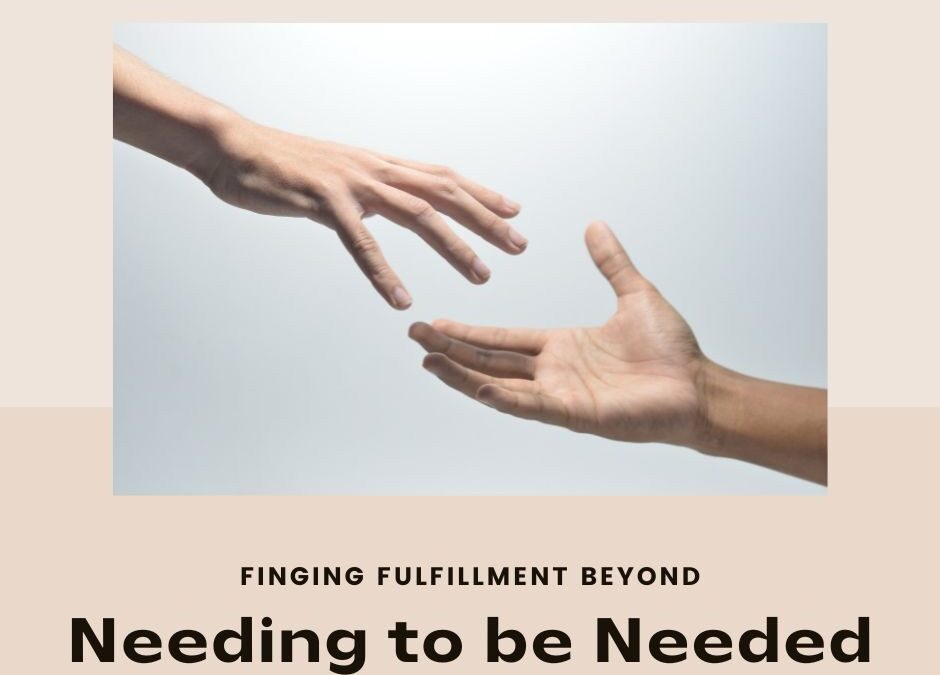
I want to share something that has been on my mind lately and I’m sure it’s something many of you can relate to. Have you ever stopped to think about how nice it is to feel needed? I know I have, especially lately. As women in our 30s, many of us are navigating through life changes and this feeling of being needed can sometimes be a major source of our identity and fulfillment, especially for those of us who are wives and/or mothers. After all, women are designed to be nurturers so it’s only natural to have a desire to be needed.
For me, this feeling has been somewhat of a struggle recently. I often find myself reflecting on the various aspects of my life and even more now given all the changes and challenges I’ve endured. My roles have significantly changed and it’s left me questioning my feelings about my purpose and self worth. Recently, I heard someone mention how nice it is to feel needed, and wow, it really resonated with me. That hit me so hard and it got me thinking about the times in my life when I’ve felt the most fulfilled, and many of those moments have been when I’ve been needed by others — whether it’s by my partner, my daughter, or even my furballs.
Lately, though, I’ve found myself grappling with not feeling as needed as I used to. It’s a bit of a shift, isn’t it? When your children grow up and become more independent or when circumstances change and your role as a caregiver evolves, it’s difficult. I’ve found myself wondering about my value as a person and a woman now that I’m not needed in the same ways.
And let’s talk about pets for a moment. They’re wonderful companions, no doubt about it. I’m grateful for them and couldn’t even begin to tell you how nice it is to have their companionship in my home. But as fulfilling as it is to care for them, it can be overwhelming (especially when you have SIX of them) and it’s just not quite the same as the need we feel from a partner or a child. Plus, their conversation skills aren’t all that great either (haha).
So, when major life changes occur and we’re no longer needed, where does that leave us? How can we navigate this feeling of not being needed in the same ways and find fulfillment once again in other aspects of our lives?
1. Redefine Your Identity
First and foremost, it’s important to remember that our worth is not solely defined by being needed by others or what we can give to others. We are complex, multifaceted individuals with so much more to offer than just our caregiving abilities. Take some time to rediscover the other parts of yourself that you may have put on hold while you were needed in a different capacity. Reflect on what makes you truly happy without the gratification of serving others.
2. Cultivate Self-Care
Now is the perfect time to invest in self-care. Whether it’s through a new hobby, a fitness routine, or even just some quiet time to yourself with a facemask, popcorn, and binge-watching your favorite show, self-care is essential for maintaining a positive sense of self-worth.
3. Build Other Relationships
While the dynamics of our relationships may change, there are still plenty of opportunities to connect with others. Strengthen your friendships, reconnect with family members outside of your home, or consider volunteering in your community. Building and nurturing these relationships can provide a new sense of purpose and fulfillment.
4. Set New Goals
Setting new goals and aspirations can help to create a sense of purpose. Whether it’s a career goal, a personal milestone, or a new adventure, having something to work towards can be incredibly motivating and fulfilling.
5. Practice Gratitude
Lastly, practicing gratitude can help to shift your focus from what you feel you may have lost to what you have to be thankful for. Take time each day to reflect on the positive aspects of your life and the things that bring you joy. Maybe even start a gratitude journal where you can capture what you’re grateful for each day and go back to reflect on days where you might be struggling more than others.
Feeling needed is a natural and fulfilling part of life, but it’s important to remember that our worth goes beyond this feeling. By redefining our identity, practicing self-care, building relationships, setting new goals, and being thankful, we can find fulfillment in many different aspects of our lives. And remember, you are not alone in this journey. We are all navigating through these changes together.
What are your thoughts on this topic? Have you experienced a similar shift in your life? Let’s continue this conversation. Your perspective is always valued and appreciated!
As always, with love,
-LS
by Lindsay | May 29, 2024 | Love + Relationships
Dear brave-hearted women,
Wading in the uncharted waters of new love after experiencing betrayal and heartache can feel like stepping onto a tightrope without a safety net. The wounds from past relationships, especially infidelity and divorce, can leave deep scars that cast shadows of doubt and insecurity on our ability to trust again. As women who have weathered storms of disappointment and betrayal, it’s natural to approach new relationships with a mixture of hope and trepidation. But amidst the uncertainty, there lies the possibility of healing, growth, and love that surpasses past pain.
As someone who understands the weight of emotional baggage and the struggle to feel worthy of love after being hurt, I want to share some insights on how to navigate these murky waters and find solace in the embrace of a new relationship. I’m still going through this myself and by no means have it all figured out. I also find that although my head knows the right thing to do, sometimes putting it into practice in the moment is hard. One important step is to find a partner who’s understanding and empathetic, willing to be patient and reassuring, and is committed to you, your healing, and building a healthy and long lasting relationship with you. The fact is, we all have baggage. Finding the person willing to unpack it all with you (and you with them), your ride-or-die, is the most important part.
Acknowledge Your Feelings:
The first step towards healing is acknowledging your emotions. It’s okay to feel vulnerable, insecure, and afraid. By allowing yourself to feel these emotions without judgment from yourself or from others (again, this is where the right partner is paramount), you pave the way for healing and self-discovery. Once you figure out how you truly feel and discern your worries, you can begin to take the next steps toward moving forward.
Honor Your Past, Embrace Your Present:
Your past does not define your future. While it’s essential to acknowledge the pain of your previous relationship, it’s equally important to recognize that you deserve happiness and love in the present moment. Embrace the opportunity for a fresh start and allow yourself to be open to new possibilities. The person you’re with now isn’t anyone from your past. Even though it might be hard to put the past behind you, try your best to look toward a positive future with someone who genuinely cares about you and your happiness.
Communicate Openly:
Communication is the cornerstone of any healthy relationship (no matter the type of relationship, but especially a romantic one). Be honest with your partner about your fears and insecurities. Expressing your feelings allows for vulnerability and fosters a deeper connection based on trust and understanding of one another. Opening op to your partner might help them to respect you more and even encourage them to open up deeper to you as well.
Set Boundaries:
Establishing boundaries is crucial in rebuilding trust and safeguarding your emotional well-being. Clearly communicate your needs and expectations with your partner and don’t be afraid to assert yourself if something doesn’t feel right. You can’t live in fear that your boundaries won’t be respected and that might cause you to lose someone. If that’s the case, it could just be they’re not the right person for you and it’s better to know that now.
Practice Self-Compassion:
Be kind to yourself during this journey of healing. Practice self-care and self-love, nurturing your mind, body, and soul. You’re worthy of love and deserve to be cherished just as you are. If you aren’t compassionate with yourself and set an example, how can you expect your new partner to show you compassion/?
Trust Your Intuition:
Trust your instincts when it comes to discerning whether someone is genuinely invested in your well-being. Pay attention to red flags, but also allow yourself to trust in the possibility of love and connection. Even though it’s important not to project past relationship traumas onto new relationships, it’s also important to keep in mind that if it doesn’t feel right, it might not be and that’s okay.
Take It Slow:
Rome wasn’t built in a day and neither is trust. As much as you want to give unwavering trust from day one, that’s not always realistic in a new relationship of any kind. Take your time getting to know your new partner and allow the relationship to unfold naturally. Rushing into things may exacerbate feelings of insecurity and doubt. Again, trust your gut!
Seek Support:
Surround yourself with a supportive network of friends, family, or a therapist who can offer guidance and encouragement along the way. Sharing your experiences with others who understand can provide comfort and validation. You want to put the best and most healthy version forward in any relationship you enter into, but also have the ability to recognize red flags and know when to walk away. Learning to know the difference can help save you from potential heartache, but with proper support and guidance, can help you establish a long-lasting and beautifully trusting relationship.
Focus on Personal Growth:
Use this time to focus on your personal growth and self-discovery. Invest in activities that bring you joy and fulfillment and cultivate a sense of independence and confidence outside of the relationship. Allow your partner time to be an individual as well. Building a strong sense of separation and time to miss each other early on can help develop healthy routines and patterns in your relationship that can be sustained long term and lead to lasting success. As much as you want to spend time with your partner, learning to trust them during times you’re not together is important and having your own separate activities outside of the relationship is a great way to practice that.
Believe in Second Chances:
Lastly, believe in the power of second chances. While the scars of past hurt may linger, they do not have to define the course of your future. Allow yourself to embrace the possibility of love, knowing that you are stronger and wiser because of your experiences. This might even be the case for your partner as well, so embrace each other, your baggages, and learn to love and trust each other in healthy ways. You’re a team so work together to achieve a beautiful relationship and break free from insecurities in time.
Remember, dear friends, healing takes time, and it’s okay to take things one step at a time. Trust that the right person will see your worth and treasure the beautiful soul that you are. You are deserving of love, happiness, and a future filled with hope and possibility. Hold your head up high, be confident, and feel secure in yourself and your relationship. Even if that’s easier said than done right now, trust me, it will be worth it in the end!
With love and solidarity,
-LS