
by Lindsay | Jul 9, 2025 | Mind + Body
Never underestimate the power of a good hug.
You never know who might need it.
A simple embrace can carry more weight than words ever could. Keep reading to find out why this has been on my heart lately.
As per usual, I’ve been (over)thinking a lot lately…this time, specifically about hugs.
It started during a low moment, one of those evenings where the loneliness is heavy and you can’t seem to shake it. I started out wondering why I felt so starved for human connection. I live alone. I don’t have a husband or boyfriend right now. My daughter is grown and out of my home. I don’t go out much. I even pick up my groceries curbside, which is super convenient when you’re short on time after work, but also means I rarely even bump into people I know in town.
So I did what I always do when my thoughts spiral and I’m not doing anything better: I started Googling to see if others felt what I felt and if it was “normal”. And I was so surprised by what I found.
Did you know that some researchers say we need at least four hugs a day just to survive? Survive! Not thrive, but to simply survive. And if we want to really grow emotionally, the number jumps to twelve. Twelve hugs a day to feel the healthiest and happiest! I don’t even get twelve in a month. Honestly, right now the only hugs I usually get are when my mom and I see each other once a week at church.
Reading that made me sit back and think: No wonder I feel the way I do. No wonder I crave warmth, comfort, connection. And I don’t think I’m the only one.
If you’re in your 30s or 40s and maybe recently divorced, newly single, or adjusting to an empty house after your kids moved out, you might be feeling the absence of hugs more than ever. Life changes fast in this season and sometimes what we miss most isn’t something big or dramatic. It’s just the everyday closeness we once had…a warm and loving hug. Someone reaching for your hand. Just knowing someone’s there.
You’re not weird or broken for missing that kind of closeness. We were created for connection and it’s all part of being human. So if you’ve been feeling a little more alone lately, you’re not the only one. And you’re not doing anything wrong.
Since I know I’m not the only one feeling this way, I didn’t want this realization to be in vein and to just make me feel worse. I wanted it to mean something. I wanted to take this insight and turn it into something that helps others. So it made me realize I have two things to share with you as a friendly reminder:
If you have people in your life who hug you, like really hug you, please be so grateful.
If your child runs into your arms after school, if your spouse wraps you up in a bear hug every morning before work, if your best friend squeezes you every time you meet for coffee, please don’t take that for granted. That kind of physical affection is a gift that not everyone receives.
And maybe more importantly…
Don’t forget to offer hugs, too!
You never know what someone else is carrying. You never know how long it’s been since someone felt that simple comfort of being embraced. It’s easy to assume people are fine just because they look “fine” on the outside or say they’re “fine”. But sometimes hugs have a way of breaking through walls that words can’t and/or don’t. They can be healing, reassuring, comforting in time of need.
So next time you see an old friend at the store, offer a hug. If your sibling stops by, pull them in close. Hug your kids extra tight tonight. Wrap your arms around your spouse and hold on a little longer. When you go to church next Sunday, don’t just say hello, hug someone. Of course, always respect boundaries. Consent and comfort matter, but you know the difference between a creepy hug and a genuine, kind, loving one.
And if you want to know what kind of hug I’m talking about, my daughter and I have a name for it.
We call them “New York hugs.”
We’re originally from New York and let me tell you, New Yorkers really know how to hug. A New York hug isn’t one of those polite little side hugs where you barely touch shoulders. It’s a full-body, both-arms-wrapped, I-missed-you-so-much, hold-on-for-an-extra-second kind of hug. The kind you get from your grandma when she hasn’t seen you in a while. Or from your auntie who holds on just a little longer than expected because she really means it.
Now I live in Texas and don’t get me wrong, I love it here, but y’all don’t hug the same. Around here, it’s usually those quick side hugs. But sometimes, you just need a good old fashioned bear hug. One of those hugs that you feel in your soul. That says “I’m so glad to see you” or “I’ve got you” or “you’re not alone in this.”
And yeah, I know it’s all about boundaries and respecting personal space and that’s SUPER important. But when you can, when it’s welcome and appropriate, go for the real thing. The kind of hug that lingers for a few seconds. That extra second or two can say more than words ever could.
If someone looks like they’re struggling, just ask “Can I give you a hug?” It might be exactly what they need. Maybe it’s even the thing God sent you to do in that moment.
Because let’s be honest, life can be really hard. People are lonely and isolated, especially now more than ever. Social media, while “social”, can’t replace the need for in person human contact and connection. And while we can’t fix everything, a simple hug when you see someone you care about might be the reminder someone needs that they matter, that they’re seen, and that they’re loved.
So today, I’m reminding you:
Go hug your people.
Hug the people you love. Hug the people God puts in your path. You never know how much it might mean, to you and them both.
With so much love and so many hugs,


by Lindsay | Oct 30, 2024 | Mind + Body
Hello overly analytical friends!
You may be asking yourself, what exactly is an overthinker? Well, based on my own experience and understanding, an overthinker is someone who analyzes and dwells on scenarios way more than they should. By “they,” I absolutely mean me. I’m definitely an overthinker. I didn’t always know it, but lately, especially when dealing with difficult situations, I’ve realized I 100% am.
I don’t know if this is a medically diagnosable thing (although I’m sure whatever the underlying cause is), but from what I’ve gathered through researching online, being an overthinker can mean both worrying about something before it happens and reliving it obsessively after it happens. I’m unfortunately plagued with both. I often find that I run situations, scenarios, or conversations through my head over and over to prepare myself for how they might go. Additionally, if I go through a situation that I’m not completely happy with—like if I feel like I said the wrong thing or embarrassed myself—I’ll replay that scene in my head a million times. I think I do this to both try and rationalize what I said or did, and to see if it could have played out differently or try to gauge other peoples’ reactions to see if I should actually feel embarrassed.
I know this all sounds exhausting. I get it. I always knew I was a worry wart. I get it from my mom, who still worries about me and my daughter to this day. But what I didn’t realize is just how common overthinking is or how much of an effect it can have on a person. Stress can manifest itself not only mentally, but also physically. It can lead to stomach aches, lack of sleep, affect our ability to maintain a healthy weight, and even more serious issues if not managed. I believe overthinking is a huge cause of stress and anxiety, so it’s important that we take the time to recognize we have these tendencies and work on them.
How Does Someone Become an Overthinker?
There isn’t one simple answer to this, but overthinking often stems from deeper emotional or psychological roots. Trauma, ongoing anxiety, or difficult past experiences can all lead someone to become an overthinker. It’s almost like our brains are trying to protect us from getting hurt again by preparing for every possible outcome. Overthinkers tend to feel like they need control over situations and outcomes because they fear the unknown or being caught off guard. I definitely feel I have a strong tendency to want to always be prepared no matter what situation pops up. I believe this is why I typically carry such a large purse with everything except the kitchen sink in it and always, always have spare toothbrushes and plenty of toilet paper on hand at home at all times.
For many, overthinking is tied to perfectionism—constantly analyzing whether we’ve done something “right” or how we could have done it better. It’s not just about wanting to get things perfect; it’s often rooted in deeper insecurities and a fear of rejection, especially in relationships. Whether it’s romantic relationships, friendships, or family dynamics, overthinkers tend to worry about losing the people they care about. If you’ve experienced abandonment or hurt early in life, your mind may be wired to anticipate problems, trying to prevent that pain from happening again. This can lead to additional anxiety and even people-pleasing behaviors, where instead of enjoying and appreciating the present, you’re constantly trying to make sure everything is “right” to avoid losing those connections or disappointing anyone you care about. It’s exhausting and emotionally draining, but recognizing these patterns is the first step toward breaking free.
What Other Characteristics Do Overthinkers Tend to Have?
Beyond just replaying scenarios, overthinkers often:
- Struggle with decision-making: It’s hard to make choices because we fear making the wrong one. We get stuck weighing every possible outcome, often leading to “analysis paralysis.”
- Need reassurance: Whether it’s about a relationship, a decision, or something small, we tend to seek validation from others to feel more secure about our choices.
- Second-guess ourselves: Overthinkers frequently question their own actions, wondering if they said or did the right thing, often well after the moment has passed.
- Catastrophize situations: We can jump to the worst-case scenario and assume the worst will happen, even when there’s no evidence to suggest that it will.
- Fear failure or rejection: This fear can cause overthinkers to obsess over the possibility of failing or being rejected in any area, from work to relationships.
What Can Be Done to Help?
I’ll be honest, I’m still working through this myself, but just recognizing that you’re an overthinker is the first step. Admitting that it’s something you struggle with is not only okay, it’s a necessary part of growth. Now more than ever, I’ve been committed to illuminating all the parts of my life that I struggle with and actively and intensionally working toward growth in those areas. It’s better for my, my health, and all the people I interact with at work and in my personal relationships. Overthinking isn’t a healthy habit and not one that I’ve really talking about before, but there’s no shame in having areas of ourselves we need to work on. It’s all part of being human.
Here are some ways you can start taking steps to manage overthinking and ease your mind:
- Talk to a professional: If your overthinking feels overwhelming, reaching out to a therapist or counselor can be really helpful. They can teach you coping strategies like cognitive behavioral therapy (CBT) that help you break the cycle of overthinking.
- Read self-help books or listen to podcasts: There are so many resources out there from experts in mental health. Books, audiobooks, and podcasts can provide new insights and techniques that you can implement at your own pace.
- Talk to friends or loved ones: Sometimes just voicing your thoughts can help get them out of your head. Friends can provide an outside perspective, and you might be surprised to find that they struggle with similar things.
- Practice mindfulness or intention-setting: Mindfulness is all about staying present in the moment and letting go of worries about the future or past. Simple techniques like deep breathing, meditation, or journaling can help quiet your mind. Setting daily intentions can also help shift your focus away from perfectionism and over-analysis.
- Pray or meditate: If you’re someone who finds comfort in spirituality, prayer or quiet reflection can help you let go of some of the stress and anxiety that overthinking brings. Trusting in a higher power or in the universe can help ease that need to control everything.
- Take small steps towards change: You don’t have to fix overthinking overnight. Focus on small, manageable steps that help you work through your thoughts in a healthier way. For example, when you catch yourself replaying a scenario, try to ask yourself, “Is this helpful?” and gently guide your thoughts elsewhere.
Remember, it’s okay to admit you’re an overthinker and you’re definitely not alone. So many of us struggle with this (and a plethora of other things as well!), but the key is that once you recognize it, you can start to make changes—when you are ready. You have the power to reclaim your peace of mind and health, one step at a time.
With all my love, support, and understanding, as always,
-LS

by Lindsay | Oct 16, 2024 | Mind + Body
Hi there, beauties!
As we move into our 30s and 40s, life often feels like it’s taken on a steady rhythm. Many of us have finished school, established our careers, and started growing our families. And while that brings a sense of accomplishment, it also means that much of our time and energy is devoted to others—our husbands, our kids, our jobs, our households, our pets, our aging parents, etc.. But once you’ve got the routine of your everyday life down, this stage can also offer a beautiful opportunity: to reconnect with ourselves and rediscover the things we once loved, or even explore new passions that we’ve never had the time or courage to try while in the process of growing into full adulthood.
Our 30s are a time of growth and stability, but they’re also a time to nurture our well-being in ways that perhaps we’ve neglected and stir things up for ourselves to keep our brains active and creatively satisfied. In fact, we can’t be the best partner, mother, or boss babe unless we’re first the best and most happy SELF. So doing things that allow you to create and have time with your passions is vital for your well-being and self care. One of the most powerful ways to nurture this is by diving back into hobbies we used to love before the hectic life set in or trying out brand-new ones.
Why Rediscover Old Hobbies?
Think back to the things you loved to do before life got so busy. Maybe it was painting, journaling, dancing, or baking. Perhaps you loved photography or reading books that had nothing to do with self-improvement or work. These old passions are like little treasures waiting to be uncovered again. Picking them back up isn’t just about doing something fun; it’s about reconnecting with a part of yourself that’s been quiet for a while. Plus, it might be fun to see how your hobby has changed or grown throughout the years with things like new discoveries, technologies, authors, or classes available.
Engaging in these activities can bring a sense of joy and creativity into your life that spills over into every area—boosting your mood, helping you manage stress, and reminding you of who you are outside of your roles as a wife, parent, or professional.
How to Pick Up an Old Passion
If there’s a hobby you used to love but haven’t touched in years, start small. Dust off that old paintbrush, journal, or camera, and set aside 15 minutes a day or a few hours a week. It doesn’t have to be perfect or even productive. It can just be about enjoying the process, especially to start with. If you used to dance, find a class online or just dance around your living room! YouTube is an excellent way to get started with something at no cost before deciding to dive back in full time; just to be sure you still have the same passion you once did. Give yourself permission to enjoy these moments without the pressure of achieving anything. This time is for you and your creativity.
Exploring New Hobbies and Interests
Maybe your interests have shifted in the last decade or two and that’s okay! The beauty of being in your 30s or older is that we’ve learned more about who we are and what we value. So why not explore something new?
If you’ve always been curious about something but never had the time—pottery, yoga, gardening, knitting, or even learning an instrument—now is a great time to start. There’s a certain freedom in knowing you’re never too old to begin something new. Trying something unfamiliar can stimulate your mind, challenge you, and give you a fresh perspective on what you’re capable of.
Hobbies as Self-Care
Whether it’s an old passion or a brand-new interest, hobbies are a form of self-care. They give you a break from the routine and allow you to focus on something that makes you feel good. They offer a creative outlet, a way to express yourself, and a chance to decompress. When you invest in yourself, you’re better able to handle the demands of life because you’ve taken the time to fill your own cup first. I’ve recently been trying to focus on branching out my hobbies and reconnecting with my passions, as well as trying to learn as many new things as I can since I have a little more time to focus on just me. Trying new recipes, learning Spanish, reading more, and discovering new exercise routines that I love are just among the things I’ve been doing for myself lately. Here are some things you can try to help you get started as well.
Tips for Getting Started
- Make Time: You don’t need hours on end. Start by carving out small pockets of time during your week to devote to your hobby.
- Let Go of Perfection: This is for you! It’s okay if it’s not perfect. Focus on the joy of the process, not the outcome.
- Involve Your Loved Ones (or Not!): Some hobbies can be a wonderful way to bond with family or friends, but others may be your solo time, and that’s just as valuable.
- Join a Community: If your hobby feels lonely, look for local or online groups of people who share your passion. It’s a great way to make new friends and learn from others.
- Keep Exploring: As we grow, so do our interests. Allow yourself to try new things and shift gears as you see fit.
Reconnecting with Yourself
This chapter of life is about so much more than the roles we play for others. It’s about rediscovering the person you are, the passions you have, and the joy you deserve to feel. So go ahead, pick up that old guitar, sign up for that pottery class, or start journaling again. Your 30s are the perfect time to reconnect with your creativity and take care of yourself in ways that truly matter. You’ve earned it!
As always, wishing you lots of love and creativity,
-LS
by Lindsay | Oct 9, 2024 | Mind + Body
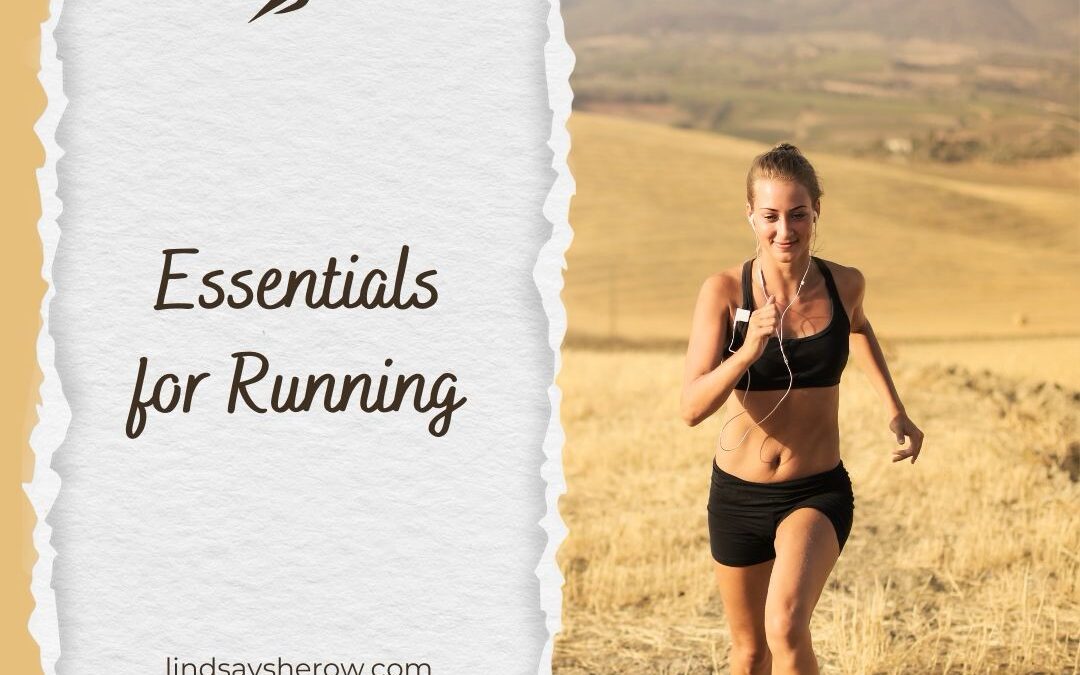
Now that the weather’s cooling down, it’s the perfect time to start a running or walking routine. The crisp mornings and cooler evenings make it so much more enjoyable to get outside and get moving. Plus it’s a great time to start getting into a healthy mindset before the holidays just around the corner (which for me always means a lot more delicious and tempting food!).
I’ve recently started running myself and have been trying to figure out along the way what soft of attire and accessories would be needed or helpful. I’ve also been bringing my dogs along with me. This fall weather is much easier on their paws and they’re loving the extra exercise, but including them on my runs means an added extra layer of preparation. So whether you’re thinking about jogging solo or with your furballs, here are some things that have helped me get started and stay comfortable which I’m hoping will help you as well.
1. Comfortable Running Shoes
The right shoes make all the difference. A good pair of running shoes supports your feet and keeps you comfortable while reducing the risk of injury. Look for shoes that provide good arch support, have cushioned soles, and are breathable. Running with ill-fitting shoes is no fun, so investing in a quality pair is worth it! I also find that trying them on in person and pretending like your mom is having you test them out for PE class by running laps in the shoe store is most helpful in determining the perfect pair (haha!).
2. Moisture-Wicking Socks
Socks can often be overlooked, but they’re crucial. Choose moisture-wicking socks to keep your feet dry and avoid blisters. Trust me, they’re worth it for longer runs or walks. I also typically wear ankle or no-show socks so finding the right style for your feet where they don’t slide down into your sneakers, but also where the elastic doesn’t cut off your circulation is ideal.
3. Fitted Pants or Shorts with Pockets
Comfort is key when running. You want something that moves with you, so fitted workout pants or shorts are a must. I recently went for a run with some looser fitting shorts and they ended up riding up in between my thighs. It certainly was not cute and also difficult to keep adjusting while keeping up my pace and holding onto all the dog’s leashes. Having pockets (whether in your leggings or shorts) is also super handy for stashing your phone, keys, or even a dog treat or two if you’re bringing your pups along.
4. Leashes, Harnesses, and Collars for Your Dogs
If you’re running with your dogs like I do, you’ll need sturdy equipment. This can be any combination of leashes, harnesses, and collars that are comfortable for you, but more importantly for them based on their breed, size, strength, etc.. Make sure everything fits properly to avoid discomfort for your dogs. A harness is especially great for better control and reduces strain on their necks if they pull. Leash attachments like waist belts can also free up your hands, making the run more relaxed. Talking to your vet is recommended as well to help with the right gear, along with making sure they’re fit to run with you (just like it’s recommended for humans to check with their providers before starting any new workout routines!).
5. Headphones for Music or Podcasts
I love listening to music or a good podcast while I run. It keeps me distracted and motivated. Wireless earbuds are great for freedom of movement, but wired ones can work just as well if you prefer. I personally like to keep the volume low or leave one ear out, especially if I have the dogs with me, so I can be alert to my surroundings. We typically run on the roads and even though they’re back roads, it’s important to know when cars, bokers, or other pedestrians are approaching.
6. Tracking Your Progress with Apps
I personally use the RunKeeper app, which helps me track my progress. I personally like it because it shows me the time, distance, and pace. It also calls out my progress (whichever customizable details I want to know) while I’m running so I don’t have to stop and look at my phone. Having an app like this is also motivating to see how far I’ve come on my journey overall and it lets me set goals. There are tons of apps out there for running, walking, or jogging, so find one that works for you.
7. Water for You and Your Dogs
Staying hydrated is important for both you and your pups! Be sure to bring a water bottle for yourself and if your dogs are joining you, pack a collapsible bowl so they can drink during breaks. Since I usually stick close to home and haven’t progressed to longer runs yet, hydration hasn’t been much of an issue for us. However, if you’re traveling to run somewhere outside your neighborhood or tackling longer distances, make sure to bring enough water for both you and your dogs. A small backpack or keeping some water in the car can help ensure everyone stays hydrated.
8. Light for Safety
If you’re like me and will soon be running in the dark of the evening (ugg and the time change it coming!) or in the early morning, it’s important to stay visible to approaching vehicles. A small clip-on light like something you can wear around your wrist or some kind of reflective gear on your clothing or shoes can keep you safe, and it’s helpful to have something for your dogs as well.
9. Find Your Motivation
Running isn’t always easy, especially when you’re just starting. For me, it’s been about finding a routine that works, enjoying the time outside with my dogs, and reminding myself that I’m doing this for my health and theirs. There’s no rush and some days we go slower than others, even walking most of the time. And that’s completely ok! The most important thing is that you’re out there moving your body, getting your cardio in, and enjoying the peaceful time alone in nature or with your doggos.
Final Thoughts
Starting a running or walking routine can feel intimidating, but it’s all about finding what works for you. Whether you’re aiming to build endurance, clear your mind, or just enjoy the fresh air, having the right gear and mindset makes a world of difference. And if you bring your dogs along, it’s an even better experience. They get to burn off some energy (trust me, it helps them sleep great!) and you get a workout partner(s) who’s always happy to join you!
Happy running, walking, or jogging and as always, much love!
-LS
by Lindsay | Apr 17, 2024 | Mind + Body
On the journey toward achieving a perfect smile for ourselves or our children, many of us have the option of choosing between traditional metal braces and the more discreet Invisalign treatment. When I was a teenager and needed braces to straighten my crowded teeth and overbite from sucking my thumb until I was practically 10, Invisalign wasn’t yet available. However, now that my teeth are once again overcrowded due to not wearing my retainers as prescribed (PS – don’t do that!) and because of an uneven bite causing some immense jaw pain I’ve been dealing with for years, my orthodontist actually recommended Invisalign over standard braces. Based on his evaluation of my teeth, gums, and jaw, along with the movement needed to help ease my jaw pain, that’s what he felt best for me at this time.
So as a woman who’s had the fortunate privilege (which I mean both sarcastically and gratefully) of experiencing both metal braces and Invisalign, I thought it would be fun and helpful to discuss the differences and similarities of both. I understand the importance of considering all the various factors when making this choice and it’s always best to go with the recommendations of your dental providers based on your specific needs or budget. But I’m here to simply share the aesthetic, functionality, and overall experiences from my own unique perspective as having personally experienced both of these orthodontic options.
Traditional Metal Braces: A Blast from the Past
Remember the days of adolescent angst coupled with a mouth full of metal? Were you dreading picture day or your first kiss, wondering if you’d get stuck together if you kissed a boy who also had braces? For many of us, in addition to frizzy hair and dorky outfits, traditional braces were a rite of passage during our teenage years, both myself and my daughter included. While they may have felt cumbersome, visually prominent, and downright embarrassing at times, they were the go-to solution for correcting dental misalignments, especially for us millennials in the 90s and early 2000s.
Metal braces, also known as conventional or traditional braces, are orthodontic appliances consisting of metal brackets bonded to each tooth and connected by a string of heavy duty gauge metal wires. These braces exert pressure on the teeth, gradually shifting them into the desired positions over time. While traditional metal braces have been a tried and true staple in orthodontic treatment for decades, their conspicuous appearance and fixed nature have prompted the development of more discreet and removable alternatives such as Invisalign. We’ll talk about that more in a moment, but first, here are the key aspects of metal braces.
1. Visibility:
One of the primary concerns with metal braces is their visibility. As a teenager, the thought of sporting a mouthful of metal wires and brackets, along with the good old rubber bands from top to bottom and headgear (IYKYK), might have been a source of self-consciousness. Honestly, it still feels like it’d be that way now as an adult. The conspicuous nature of metal braces often made individuals hesitant to smile openly or feel confident in social settings with so many appliances strapped in and on their face.
On the flip side, where the wires fit over the brackets on each tooth, there’s a small rubber band placed to hold the wire in place on the bracket. These bands come in many different colors and most orthodontists allow you to choose up to a few colors each month after adjustments. While adults may want to choose more nude or tooth colored bands, a lot of kids love getting colored bands. I remember that I’d try to match the bands to whatever holiday or special event was coming up. For example, near Valentine’s Day I’d have pink and red bands or green for St. Patrick’s Day. While adults may not care about having a mouth full of vibrant colors, this might be a fun way to get the kiddos excited about their braces and engaged in the process.
2. Oral Hygiene and Maintenance:
Maintaining good oral hygiene with braces did require a little extra effort. Since you have wires in the way, floss has to be threaded underneath those wires and in between each bracket before being able to floss in between each tooth as usual. This definitely took more time than just your normal flossing routine. Although I’ve always liked to have clean teeth and a nice smile, as a teenager, brushing and flossing just weren’t on my list of most exciting things to do each day. So the thought of taking even more time to do so just wasn’t a motivator. Nowadays I have a water flosser which I use religiously, but back in the day when everything was a manual process, I will admit that flossing may or may not have been completed each day. I’m sure this is the case with a lot of children and teens, so a little monitoring and encouragement from parents is helpful. Additionally, regular dental cleanings are essential, along with the periodic adjustments made by the orthodontist. Unfortunately if you’ve ever had braces, you know that typically the wire gets tightened and sometimes changed to a stronger wire, so those appointments often left you with lingering pain or pressure for a few days. Luckily those appointments were typically only every month or so, at least in my case.
3. Dietary Restrictions:
Ah, the infamous list of foods to avoid with metal braces – sticky candies, anything super hard, popcorn and corn on the cob, gum, apples, etc. These dietary restrictions are imposed to prevent damage to the braces and ensure effective and timely treatment progress. Orthodontists will only reattach brackets so many times before they start charging extra. However, what kid or teenager doesn’t want to eat candy or chew gum? And who cares about popping off a bracket or two (besides the parent who has to pay for it)? Now it’s more of the apples and corn on the cob that would be a bummer for me, but I have to admit the lack of gum and candy are sad and an inconvenience even as an adult.
Invisalign: Modern Orthodontics
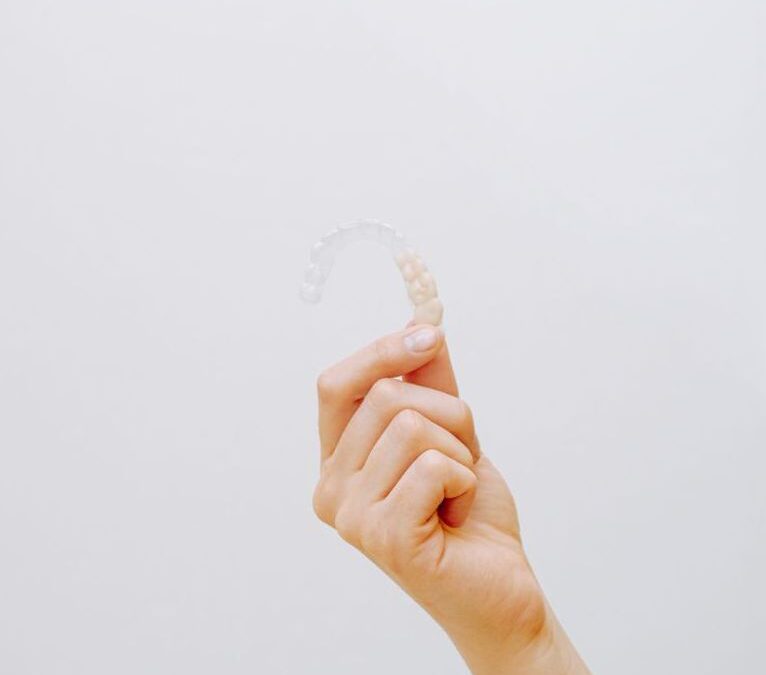
Fast forward to the present, where advancements in orthodontic technology have introduced a more discreet alternative to traditional braces – Invisalign. Invisalign is a modern orthodontic treatment that utilizes clear, custom-made aligners to gradually straighten teeth. These aligners are made from a smooth, BPA-free plastic material, making them less visible when worn. Unlike traditional metal braces, Invisalign aligners are removable, allowing for greater flexibility in eating, oral hygiene, and overall lifestyle. The treatment involves a series of customized aligners, each designed to progressively move the teeth into their desired positions, offering a discreet alternative to traditional braces. This innovative approach to teeth straightening offers several advantages over its metal counterpart, but there are definitely also some things I wasn’t expecting. Let me elaborate…
1. Aesthetic Appeal:
One of the most significant benefits of Invisalign is its more invisible nature (hence its name). The clear aligners are far less noticeable compared to metal braces. For women in their 30s juggling professional, social, and parental commitments, the more discreet appearance of Invisalign aligners can be a game-changer in maintaining confidence and comfort throughout the treatment process.
Having said that, I’m now a couple months into Invisalign and I’m still talking with a slight lisp. It certainly has gotten better over the last several weeks since day one, but I feel like my speech might continue to be slightly altered for the duration of my treatment. I guess we’ll see. However, I also noticed that I’m a little more lispy again right after switching to a new aligner tray (which I personally have to do weekly). So if slightly impaired speech is a concern to you, perhaps if you work primarily on the phone or giving presentations, I’d definitely say give that a consideration before choosing Invisalign.
Additionally, I didn’t realize that I’d still have brackets on some of my teeth. In fact, when the orthodontist was initially placing them on, I thought “hold on, they do know I’m getting Invisalign, right?!”. Turns out that even though the trays are removable, you do still need an anchor point on some of the teeth in order to help aid movement and the aligners staying in place. I don’t know the criteria for choosing which teeth will have the brackets, but I do know from talking with others who have Invisalign that bracket placement is different for everyone. On the plus side though, the brackets are closely matched to your natural tooth color, so whether you have the aligners in or out, the brackets are still drastically less noticeable than the traditional metal brackets.
2. Removability:
Unlike metal braces, which are affixed to the teeth throughout the treatment duration, Invisalign aligners are removable. This feature allows for greater flexibility for eating and oral hygiene. Whether enjoying a meal or brushing and flossing, simply remove the aligners, perform the necessary tasks, and reinsert them.
On the flip side, because these braces are removable, it does leave the door open for having them out too long. In my case, I need to wear them for 22 hours each day (and I do believe that’s standard for all Invisalign wearers). It’s up to me to make sure I’m following that or it will lead to a delay in my treatment. So if you’re not very disciplined, especially when they’re uncomfortable or if you take long periods of time to eat every meal, Invisalign might not be the best solution for you. And I can see this being most problematic for children who might be inclined to take them out and not be diligent about getting them back in right away.
One more thing to note is that although I’m extra conscientious of not throwing my aligners away after I’m done eating, since that’s exactly what happened to one of my retainers when I was younger, it has already happened. I personally didn’t throw them away, but left them on the table wrapped in a napkin and they got picked up with other trash on the table. Totally my fault and I shouldn’t have been so careless, especially since I was provided with a case to store the aligners in during meal time, specifically for this purpose. However, now I will be even more diligent about not throwing them away or just leaving them lying around. But this is just one more thing to keep in mind since they are removable and very easy to miss.
3. Comfort:
Metal braces are notorious for causing discomfort and irritation due to the presence of wires and brackets. I remember having sores on the sides of my cheeks from sleeping on one side too long and from when I played the flute in my high school band. My daughter who played the trumpet had a permanent sore spot inside her mouth for the entirety of her metal braces stint. So on a day-to-day overall basis, I’d say Invisalign is more comfortable because each aligner is custom-made to fit snugly over the teeth, minimizing discomfort and irritation. I will say that for about 2-4 days each week after changing the aligners though, my mouth hurts like a mother. My orthodontist said the “mild pressure” shouldn’t hurt and typically only lasts 2 days for most people. However, the few people I’ve talked to with aligners agree with me that it’s generally more than a couple days and definitely more than “mild” discomfort.
So in weighing out which are more comfortable, it really depends on which day you ask me. Overall the aligners are more comfortable and have less consistent opportunity for irritation, but the pain or “pressure” is more frequent than with metal braces.
4. Not Great for Snackers
If you like to snack, Invisalign might also not be for you. Every time you eat, you need to brush your teeth. That’s a huge commitment to snack foods! And keep in mind you only have a total of 2 hours every day without the aligners for eating and cleaning. Alternately, if you ever wanted to cut back on snacking and don’t feel like brushing your teeth 7 times per day, maybe this is for you! If you’re a drinker of anything other than water, whether juice, coffee, tea, or wine, this might be inconvenient for you as well since you also have to brush after each drink that isn’t water. The main objective is to not have anything sitting in the aligners and against your teeth for any period of time as to not cause cavities.
Similarities: The Common Ground
While metal braces and Invisalign differ in their appearance and mechanics, they share some commonalities in their approach to orthodontic treatment:
1. Treatment Duration:
Both metal braces and Invisalign aim to gradually shift the teeth into their desired positions over time. The duration of treatment varies depending on the complexity of the case and the adherence to treatment guidelines. While some may opt for shorter treatment times with accelerated orthodontic techniques, the average treatment duration typically spans several months to a few years with both options. Again, it really just depends on your situation.
2. Orthodontic Expertise:
Regardless of the treatment option you select, the expertise of the orthodontist plays a crucial role in achieving optimal results. From the initial assessment and treatment planning to the periodic adjustments and monitoring progress, the orthodontist guides patients through every step of the journey toward a beautiful smile.
3. Commitment to Compliance:
Successful orthodontic treatment requires a commitment to compliance from the patient. Whether diligently wearing Invisalign aligners for the prescribed duration each day or adhering to dietary restrictions with metal braces, following the orthodontist’s instructions is essential for achieving desired outcomes.
Conclusion: Choosing the Right Path to a Radiant Smile
As a woman who has traversed both traditional metal braces and now Invisalign, I understand the significance of choosing the right orthodontic treatment. While metal braces served their purpose during my teenage years, the discretness and convenience of Invisalign aligners have made my adult orthodontic journey infinitely more manageable (minus the lisp and pressure when changing to new aligners weekly).
Whether you’re a career-driven woman in her 20s, 30s, or 40s, or a teenager navigating the complexities of adolescence, the decision between metal braces and Invisalign is a personal one. Consider factors such as aesthetics, comfort, and lifestyle preferences when embarking on your orthodontic journey, and remember, the path to a radiant smile begins with a choice that aligns with your individual needs and aspirations, along with the recommendations of the dental professionals.
From one crooked-toothed, imperfectly smiled person to another, lots of love and discipline,
-LS
by Lindsay | Jan 31, 2024 | Mind + Body
Hi there, fitness friends!
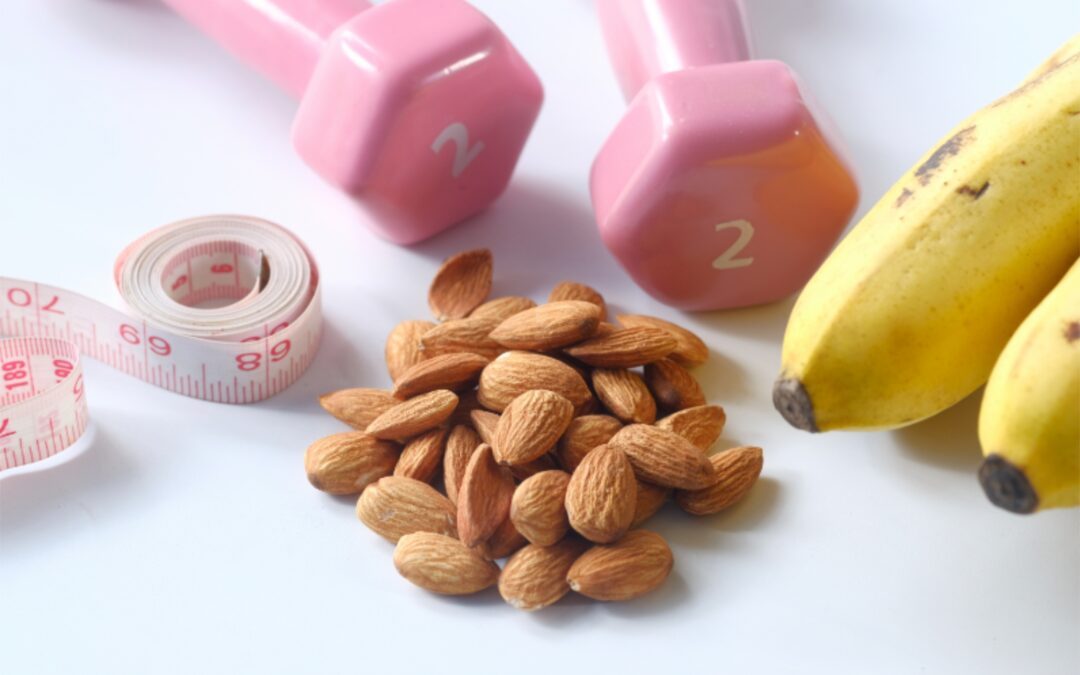
As a woman in her 30s who successfully lost 70 lbs over two years, I’m excited to share some tips from my personal weight loss journey. I achieved this transformation without any weight loss supplements, trainers, or quick-fix diets. It was all about changing my mindset, being sustainable, and finding what worked for my body.
Remember, these tips are based on my personal experiences and are not medical advice. Please consult your healthcare provider before making any changes to your diet or exercise routine.
We’re all different and things that worked for me might not work for you, but hopefully you can find some of these methods helpful and can incorporate them into your own health and weight loss plan.
1. Track Everything
One of the most effective tools for me was the My Fitness Pal app. I diligently recorded everything I consumed, tracked my calories and nutrients, and logged my workouts. This practice helped me identify patterns in my eating and exercise habits. I also used the log to keep notes on YouTube workout videos, strength training exercises, the number of reps and sets, the weights I used, and how I liked the workout (difficulty level, how my knees felt afterward, how much I sweated during it haha). This tracking allowed me to repeat successful workouts and incorporate effective routines into my regular schedule.
2. Plan Ahead
Something about planning my meals and workouts in advance was a game-changer. It allowed me to visualize my daily and weekly goals, ensuring I knew exactly what to eat ahead of time and targeted all areas of my body without overworking specific muscle groups. Having a plan kept me on track with healthy eating and consistent exercise, which is crucial for long-term success. Again, I used the app to help with this, but also made notes in my planner and calendar. Anything that helps you stay organized and plan ahead is perfectly fine!
3. Make Workouts Fun and Short
Finding workouts I enjoyed was essential. I focused on low-impact, low-intensity cardio to protect my knees, especially when I was heavier. Walking became my go-to activity on days when I couldn’t do more intense workouts. The key was to stay active and move my body every day, even with a desk job.
4. Don’t Drink Your Calories
I limited my intake of high-calorie drinks like sweet tea and alcohol. Instead, I drank plenty of water—aiming for at least 8 cups a day. Switching from soda to sparkling flavored water like Bubly helped me satisfy my cravings without consuming empty calories. Occasionally, I’d have a small glass of apple or orange juice for variety.
5. Indulge in Moderation
As someone with a sweet tooth, I knew depriving myself completely would lead to binge eating. Allowing myself small treats, like a few Hershey’s Kisses or dark chocolate-covered almonds, helped curb cravings without derailing my progress. I also gave myself grace to enjoy special occasions, like having a piece of cake at a birthday party. Enjoying life and not being overly restrictive was vital for my mental well-being. Additionally, I learned to use fruit as a healthier way to satisfy my sweet cravings. For instance, cut-up apples with loads of cinnamon became a delicious replacement for less healthy dessert options.
6. Only Buy What You Need
One of the most effective strategies I adopted was to only buy the foods I needed and avoid purchasing items I knew I shouldn’t be eating. If unhealthy snacks and treats are in the house, the temptation to eat them is always present. By sticking to a shopping list of healthy essentials, I made it easier to stay on track and avoid unnecessary indulgences.
7. Get Enough Rest
Rest and recovery are just as important as diet and exercise. I made sure to get enough sleep and took days off from working out when needed. Overworking your body can do more harm than good, so listen to your body’s signals and allow it to recover.
8. Monitor Your Weight
I weighed myself daily to adjust my eating and workouts continually. However, weight can fluctuate due to various factors, so weekly or monthly monitoring might be less stressful. While I didn’t take photos or measurements initially due to feeling ashamed, tracking progress in multiple ways can be motivating. It’s a great reminder of how far you’ve come, especially on tough days.
9. Focus on the Long-Term Journey
Remember, weight loss is a long-term journey. Aim for overall health and sustainability rather than quick fixes. Even if you have an off day, don’t let it derail your progress. Get back on track, stay positive, and understand that occasional slip-ups are part of the process.
These strategies worked for me, and I hope they can inspire you on your journey. Every body is different, so find what works best for you and stay committed to your health goals. You’ve got this!
Stay healthy and happy,
-LS